Through a living culture of thrift, hands-on skills, mutual support and resilient entrepreneurship, members of the Zezuru community in Botswana offer a powerful example of intergenerational economic self-reliance. The Zezuru form one of the main subgroups of the Shona people of Zimbabwe. Historically linked to the broader Shona civilisations that built and sustained the stone cities of Great Zimbabwe and later states such as the Mutapa kingdom, they developed traditions of farming, livestock keeping, ironworking and long-distance trade.
In Botswana, the community largely descends from followers of the Gospel of God Church (also known as the Vapostori or Johane Masowe movement). These groups migrated from Zimbabwe in the 1940s, initially for missionary work, and settled in places such as Francistown, Mandunyane, Shashe and later southern centres including the Kanye area. Over decades they became known locally for practical skills, informal trade and strong communal networks.
BOPA reporter Marvin Motlhabane recently visited communities in the Molapowabojang–Ntomalome ward and the bustling markets of Kanye to explore the everyday practices that continue to shape Zezuru economic life. In Molapowabojang, 78-year-old Mr Emmanuel Namo, originally from the Shashe-Mandunyane area and of Shona descent, shared how traditional knowledge still sustains families. A skilled carpenter who never attended formal school, Mr Namo learned woodworking from his father.
Read Full Article on Daily News Botswana
[paywall]
He has used that craft to house and support his family for decades. Mr Namo explained that children were traditionally taught practical economic skills from a young age. Boys learned to work with wood and metal, producing furniture and other useful items.
Girls often went into the community to sell goods. Handling money and basic trade formed part of everyday education, independent of classroom schooling. He recalled opening a workshop in Kang with his brothers in the early 1990s.
When fire destroyed the business, the setback was severe. Through steady piece-work; repairing furniture and building wardrobes in Kanye and surrounding villages – he gradually rebuilt. He constructed a family home and two bachelor pads that now generate rental income.
Today he lives in a house built by his own labour and has raised children who are studying and some working. Mr Namo also described community marriage customs within their church tradition, citing that marriage required membership of a recognised church. He added that formal lobola (bride price) was optional rather than compulsory, stating that parents of the prospective husband would visit the bride’s family to declare intent, after which the process could proceed in a relatively simple manner and without the heavy costs common in some other customary marriages.
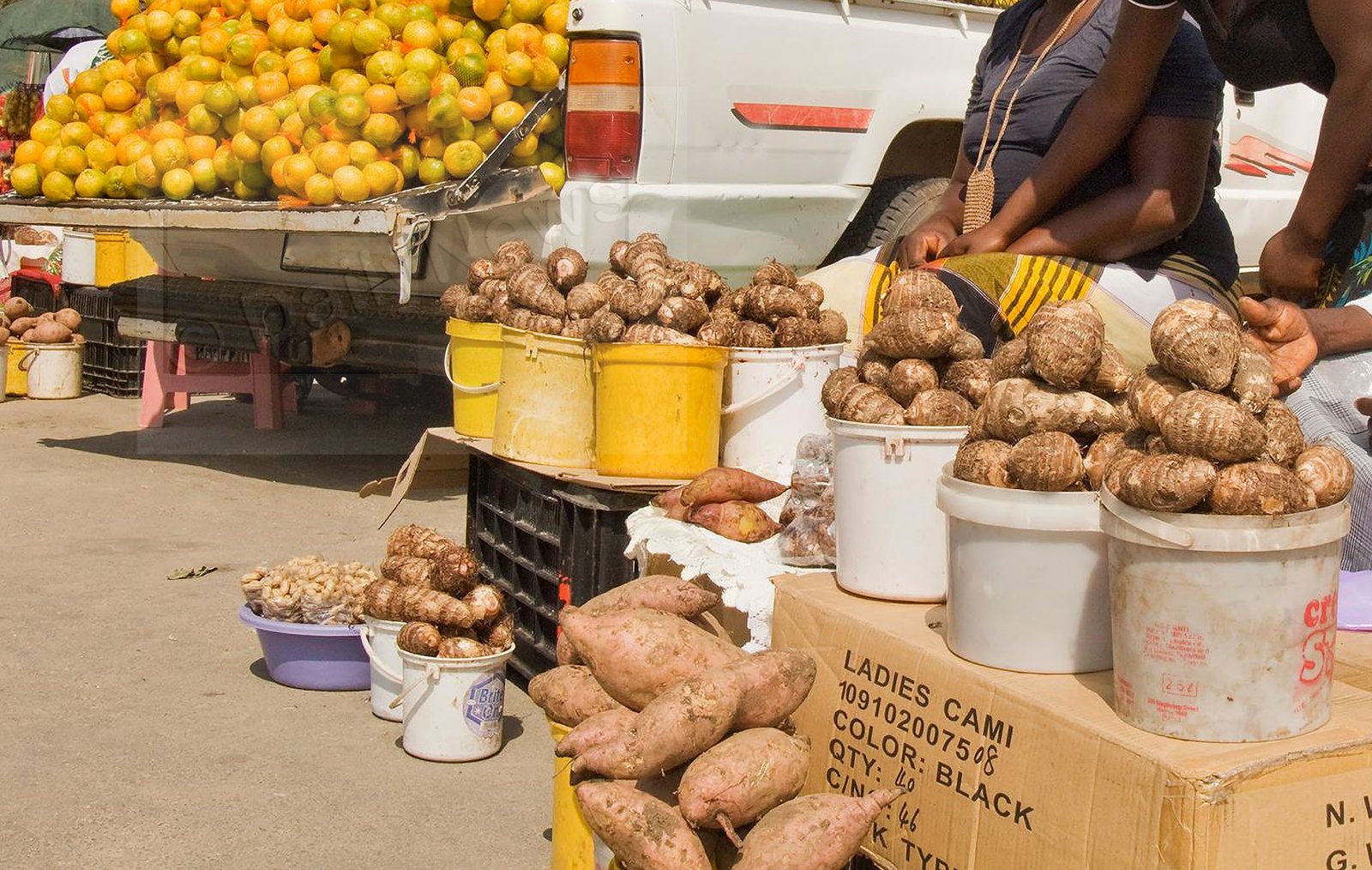
Mr Namo himself is married to a woman from Lobatse and belongs to the African International God Church, a Word of Faith institution. In the busy markets of Kanye, 34-year-old Ms Jennifer Khanda of Tsolamosese who is now living in Ntlhantlhe illustrated how the same cultural orientation supports younger generations. After graduating with a Diploma in Fleet Management from Mega Size College in 2019, she struggled to find formal employment – a challenge shared by many Batswana graduates.
Ms Khanda said lack of formal employment returned her to skills she had absorbed from childhood. With a P300 advance from an uncle, her business gradually picked from selling bananas and boiled eggs on the streets. Off the initial proceeds made, she then went on to purchase rejected sponge material from a Gaborone bed factory, made ten pillows, carried them on her head and sold them in Letlhakane.
Her success allowed her to expand, therefore she posited that she later started sourcing goods from Johannesburg; tracksuits, bedding, shoes, cutlery and other household items; and sold them house-to-house on Sundays and Wednesdays. She found this more profitable than running a fixed tuckshop. Ms Khanda managed to diversify further into mobile money services including Myzaka, Orange Money and airtime, and plans to add prepaid electricity and DSTV subscription services.
[/paywall]
All Zim News – Bringing you the latest news and updates.
