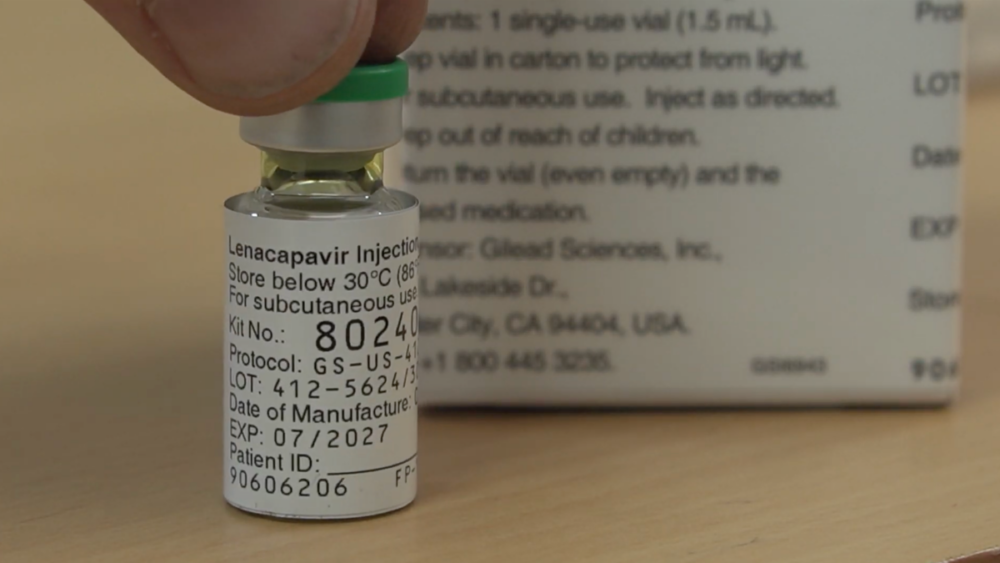
South Africa’s National Aids Council, Sanac, has asked local drug companies tosubmit applications by April 7to make generic versions of an anti-HIV jab that could end Aids by 2043 in the country — if31-million HIV-negative peopletake it for at least a year each between now and then. The original version of the once-every-six-months shot, known aslenacapavir, or LEN, is produced by the US pharmaceutical company,Gilead Sciences. The injectionis almost foolproofin stopping people who don’t have the virus from getting it through sex and wasregisteredin South Africa in October.
Locally-made shots couldbe available as soon as next year— but only if Gilead decides to award a South African company, or companies, with a generic licence(s), which would require it to share its LEN recipe and technical secrets of how to make the medicine with a licensee(s). The renewed effort, led by Sanac in collaboration with the health department; the department of trade, industry and competition; the science, technology and innovation department; and the national treasury, comes after three South African companies —Aspen Pharmacare, Pharmacare and Cipla Medpro— failed to secure generic licences in 2024. Instead, Gilead awarded licences tosix generic companies in India, Pakistan and Egypt, who are expected to bring generics to the market in 2027.
Sanac will submit a shortlist of successful applicants, who met the requirements of the Council’sexpression of interest call, to Gilead by July, CEO Thembisile Xulu toldBhekisisa. Gilead will then review Sanac’s list for potential licences granted directly to the companies (not the government) to make LEN from start to finish, including the production of the substance — the active pharmaceutical ingredient, or API — that makes the medicine work. The international health organisation,Unitaid, and scientific body,United States Pharmacopeia(USP), willhelpSouth African companies that Gilead does decide to issue with licences, to master manufacturing processes, adhere to quality standards and give them “market-shaping support”, such as financial help in the form of volume guarantees, to make LEN at a price equal to what the government pays for a daily HIV prevention pill (around $40 per year).
Read Full Article on Mail & Guardian
[paywall]
The pill is already available forfree in almost all government clinics. Two of the six generic companies who already have licences — Hetero and Dr Reddy’s from India —have received grantsfrom Unitaid and theGates Foundationto help them make LEN at $40 for a year’s supply. Unitaid will therefore provide South African companies whom Gilead issues licences with similar support in order to help them compete with such markets.
In two weeks, there will be a webinar for applicants to answer any questions and the adjudication process will be one month, says Matiru. Xulu says Sanac is using “structured multi sectoral engagements” with Gilead to make the process run smoothly.In its expression of interest Sanac states: “The resulting shortlist will inform subsequent engagements with Gilead as part of efforts to secure a seventh voluntary licence agreement that supports regional manufacturing and equitable access.”
[/paywall]
All Zim News – Bringing you the latest news and updates.
