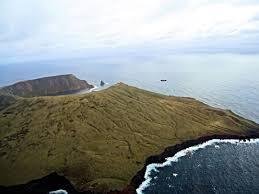
One of the most remote islands on Earth is not escaping the tide of globalplastic pollution. A 30-yearstudyof beach litter on the sub-AntarcticMarion Islandshows that while waste generated by the island’s research station has fallen sharply, thanks to improved management, plastic debris drifting in from the ocean is steadily increasing. This includes drink bottles and bottle caps that might have travelled thousands of kilometres across the Indian Ocean.
The long-term research, led by scientists from theFitzPatrick Institute of African Ornithologyat the University of Cape Town, tracked litter washing up on beaches around the windswept island, which lies about 2 000km south-east of South Africa in the Southern Ocean. Marion Island is afforded the highest level of conservation protection under South African law, yet the findings show that no location, however remote, is immune to plastic pollution. The study, published inMarine Pollution Bulletin, was led by UCT Emeritus ProfessorPeter Ryan, in collaboration with researchers from Nelson Mandela University and the department of forestry, fisheries and the environment.
“A study on the origins of these bottles is still under review but we know from studies in other parts of the Southern Hemisphere that most plastic bottles washing up on remote islands have been dumped from ships in contravention of international legislation,” Ryan said. “The study highlights the recent increase in floating plastic litter, especially plastic bottles, in even the remote and hitherto largely litter-free Southern Ocean.” The findings, he added, placed yet more pressure on the International Maritime Organisation to strengthen measures to ensure that ship crews stopped dumping plastics and other persistent wastes at sea. Over the three decades, scientists found that most of the debris did not originate on Marion Island.
Read Full Article on Mail & Guardian
[paywall]
Only about 5% of litter came from local, land-based sources, with the rest arriving from offshore. Plastic dominated offshore debris because it is lightweight, durable and capable of floating across large distances. Between May 1993 and April 2024, the researchers recorded 7 298 litter items on Marion Island beaches, at an average accumulation rate of 243 items a year.
Of all litter, 91% was plastic, including 17% foamed plastics, while smaller amounts were wood, metal, glass, rubber and other materials. Local litter, by contrast, was mostly heavier materials: plastic made up only 32%, with wood (32%) and metal (22%) more common. All paper, cardboard and paint flakes were traced to on-island activity.
[/paywall]
All Zim News – Bringing you the latest news and updates.
