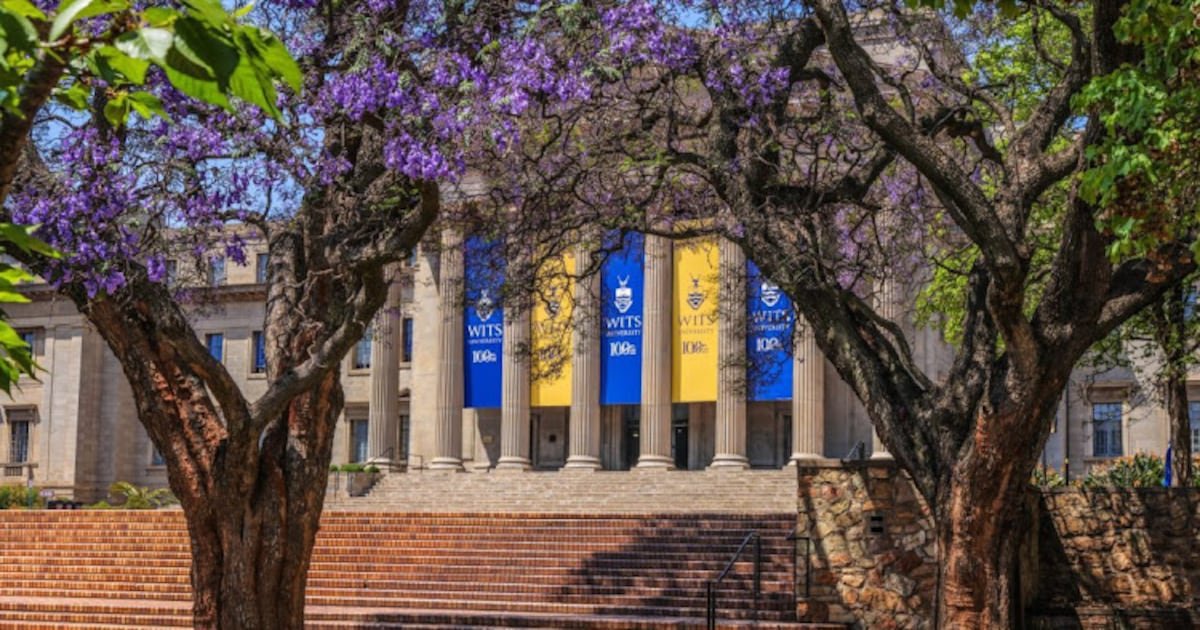
If you want to see a political mob in operation, watch the mobilisation around the speech of a Wits professor last month. On February 19, Prof Srila Roy, then head of sociology, posted on X that “South Africans have little ambition, are complacent and have a poor work ethic.” In the firestorm that followed, she deleted the tweet. Not good enough, the mob came for her.
Roy resigned as head of department. A demotion is not sufficient, said the agitated. Wits placed her on precautionary suspension.
They need to go further and fire her, was the response from some quarters. She apologised twice “unequivocally and wholeheartedly”, acknowledging that “this tweet was simply wrong”. Nobody listened.
Read Full Article on Herald Live
[paywall]
Everyone weighed in, from censorious student organisations on campuses and a figure no less than the chair of the portfolio committee on higher education, one of the most intemperate people to occupy that position in the brief history of our democracy: “Her comments were offensive and derogatory and undermined the dignity of many South Africans … we cannot tolerate individuals who openly express views that are widely discriminatory.“ This was the same person who lambasted Wits University at one of its hearings for being “untransformed” because its registrar was white and whose committee has doggedly pursued the small number of “foreign nationals” who had the temerity to take up academic positions on offer at South African universities. The chair’s committee is a shameful monument to xenophobia, which begs the question: why single out the professor when political leaders have engaged in relentless xenophobic attacks on blacks from other African/Asian countries without consequences? It was in fact that context that led to the tweet, the lament (again) by the committee that 7.7% of university appointments are foreigners.
To which Roy responded in parentheses after the main tweet: (take that for your xenophobia that us foreigners are meant to suffer in silence as we nurture successive generations at university). I understand that frustration. We recently documented in our book,Academic Xenophobia,the daily assault on African academics in South African universities.
That’s right, against people who “nurture” to graduation and life tens of thousands of native-born students. I can recall any number of instances where academics made very disturbing comments about others. The UCT politics lecturer who claimed in an online lecture that ‘Hitler committed no crime’ still teaches at the Cape Town university.
Perhaps the most disgraceful response to the Roy tweet came from the South African Sociological Association (Sasa). I am not sure my colleagues even read the short posting, but the content of their reaction was, to put it charitably, ignorant. Roy apparently “brought the discipline into disrepute”.
Seriously, is sociology so frail and fickle as to suffer reputational loss when an academic has an opinion? Angry, the Sasa authors implied racism and demanded blood. Roy must be subjected to an “outcome” by Wits that makes it clear that “all forms of discrimination (racism and classism) will not be tolerated” for her tweet “speaks to the lived and racialised reality of the majority”.
First, Roy said “South Africans”, not black or Indian or coloured or white, the nicknames by which we divide up humanity. How then is her tweet a statement on race, let alone an act of racism? I canvassed the views of senior academics, human rights lawyers and other experts, all of whom made the point that the agitated read their own prejudices into that tweet and decided it is about “race”.
Roy is a woman of colour and one of the most incisive critics of nationalist prejudices such as appears in her published work on development partnerships between India and Uganda. Second, many other South Africans have made similar points about the culture of work in South Africa. ANC chair and cabinet minister Gwede Mantashe said last year that “people sit back, sit in the sun and expect the state to deliver … we created a parcel society”.
No consequences. Why pick on this individual? I did one of my snap surveys on X and asked whether Roy should be fired for the controversial tweet, allowing for three options: Yes, No, or Only if she is a foreigner.
A firm majority (68% of 548 votes) said “no” and, perhaps sensing the tongue-in-cheek option, 6% said yes, if she is from elsewhere. Personally, I think the tweet was wrong, misguided and an unhelpful generalisation. It falls into the category that some legal friends call “undesirable speech” or what in another country would be defended as “extramural utterances” on campuses.
But the tweet doesn’t even come close to clearing the bar for “hate speech”, let alone pose grounds for the firing of an academic. We tread on very dangerous grounds in our constitutional democracy when we deny people, including academics, the right to have a personal or public opinion. As a matter of record, I have expressed concern about such utterances, even dismay, but argued for their right to hold that opinion without consequences except, of course, in those extreme cases delimited in the constitution.
Opinions of the sort “South Africans are good or bad” pass the smell test for the right to an opinion without extreme sanction. What the leadership of Wits University does in the next few days can fundamentally break the proud tradition of our universities being a holding space for irreverent and challenging ideas, including those which give offence. Make no mistake, what is at stake goes far beyond the case of a single professor of sociology in Braamfontein.
Our constitutive values as higher education institutions are at risk. Put differently, Wits should not be in the business of regulating speech.
[/paywall]
All Zim News – Bringing you the latest news and updates.
