The September 16 General Election attracted 1 474 candidates. And while women constitute 51 percent of the population, they formed only 331 or 22.5 percent of the candidates. Malawi uses first-past-the-post system.
Research shows that this system does not favour the election of women due to stereotypes and sexist assumptions about the attributes of an ‘electable’ candidate. Although the figure is higher than in previous elections, the number of constituencies in the 2025 elections increased from 193 to 229, with elections taking place in 224 constituencies. The number for women has not been impressive since multiparty elections in 1994.
In that year, 46 women contested out of 587 participants and 10 made it to the 177-member house, representing 5.6 percent. In 1999, out of 668 aspirants, 62 were women, representing 9.3 percent. This time, only 18 were elected to Parliament, representing 9.3 percent.
[paywall]
During the 2004 elections, 1 098 people contested and 154 were women, representing 14 per cent. Women scooped 27 seats, representing 14 percent. The 2009 elections attracted 1 175 aspirants and 220 were women, representing 20 percent.
The number of women legislators increased from 27 to 42 (22 percent increase), which excited 50-50 campaigners. However, after the 2014 elections, the number of female lawmakers dropped to 32 although the number of female contestants increased to 260 or 16.7 per cent of 1 293 aspirants. Come the 2019 elections, the number of women elected to Parliament rose to 45.
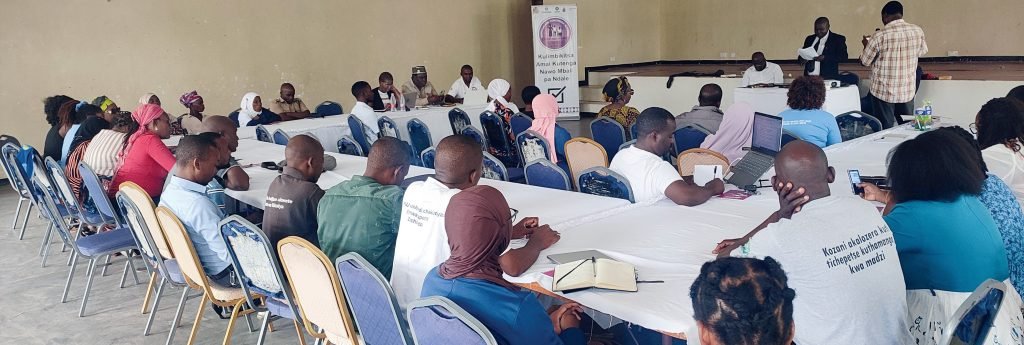
In total, 1 331 contested of whom 310 or 23 percent were women. On November 4 2025, with funding from the Embassy of Iceland, Centre for Civil Society Strengthening (CCSS) and Oxfam Malawi organised a post-mortem meeting on women’s dismal performance in the 2025 General Election. Ivy Faith Sande, who contested for Mangochi Malombe Constituency under People’s Party (PP) and lost, shared that one of her frustrations was handouts.
“Candidates were giving out money to people even on voting day. Of course, it is against the law, but I did not report because I thought it was a waste of time,” she said. Sande, a former Democratic Progressive Party (DPP) councillor for Maiwa Ward in the constituency, also alleged that some people were hired to assassinate her. She claimed that she had challenges booking venues for campaign.
[/paywall]
