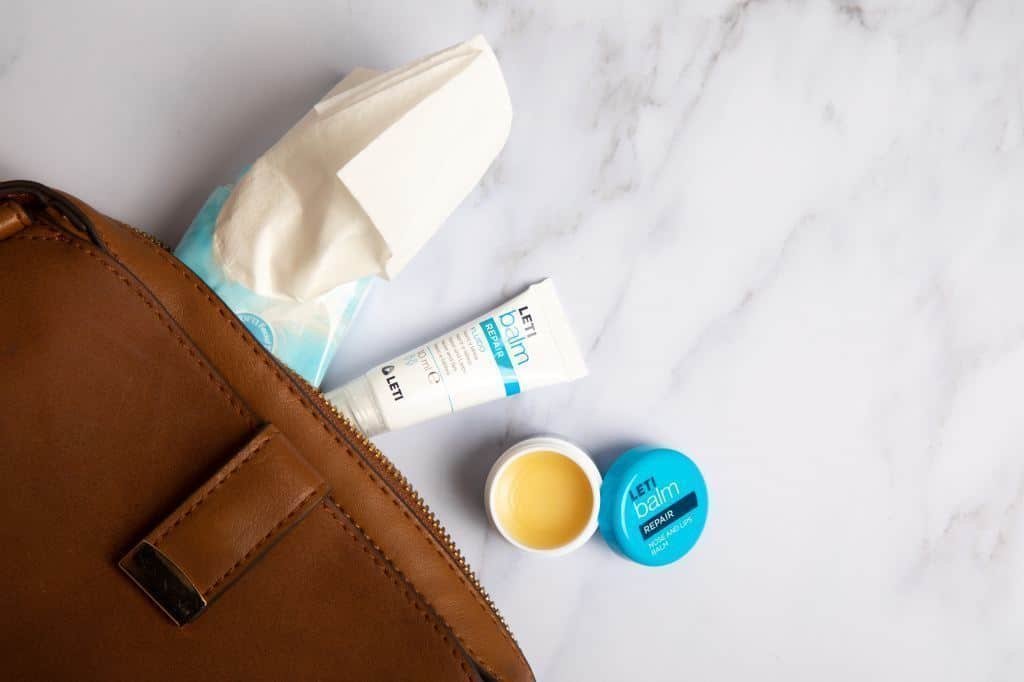
Between cabin pressure changes, low humidity and recycled air, flying creates one of the most dehydrating environments the skin can experience. The earliest and most visible effects often show up in the most vulnerable areas of the face, the delicate skin around the nose and lips. These areas are already more vulnerable than the rest of the face but in-flight conditions intensify everything, stripping moisture, weakening the skin barrier and leaving behind tightness, flaking and irritation that can linger long after landing.
Unlike the rest of the face, the lips do not contain oil glands, making them highly dependent on external moisture. The skin around the nostrils is similarly delicate and constantly exposed to airflow, tissue use and environmental changes. On flights, this vulnerability is amplified.
Recycled cabin air reduces ambient moisture, while air conditioning systems further dry out the skin surface. The result is often immediate discomfort: tight lips, peeling, redness around the nose and a compromised skin barrier. From prevention to repair: why targeted care matters While many travellers reach for standard lip balms, these often provide only temporary relief and do not address the combined needs of the nose and lip area, especially during prolonged or repeated travel.
Read Full Article on The Witness
[paywall]
This is where specialist care becomes important. In these cases, a targeted product such as the LETIbalm range can be particularly helpful, as it is specifically formulated for the care and repair of the nose and lips across different needs and levels of sensitivity.” LETIbalm range is available at Dis-Chem and independent pharmacies. Content byIvohealth.co.za
[/paywall]
All Zim News – Bringing you the latest news and updates.
