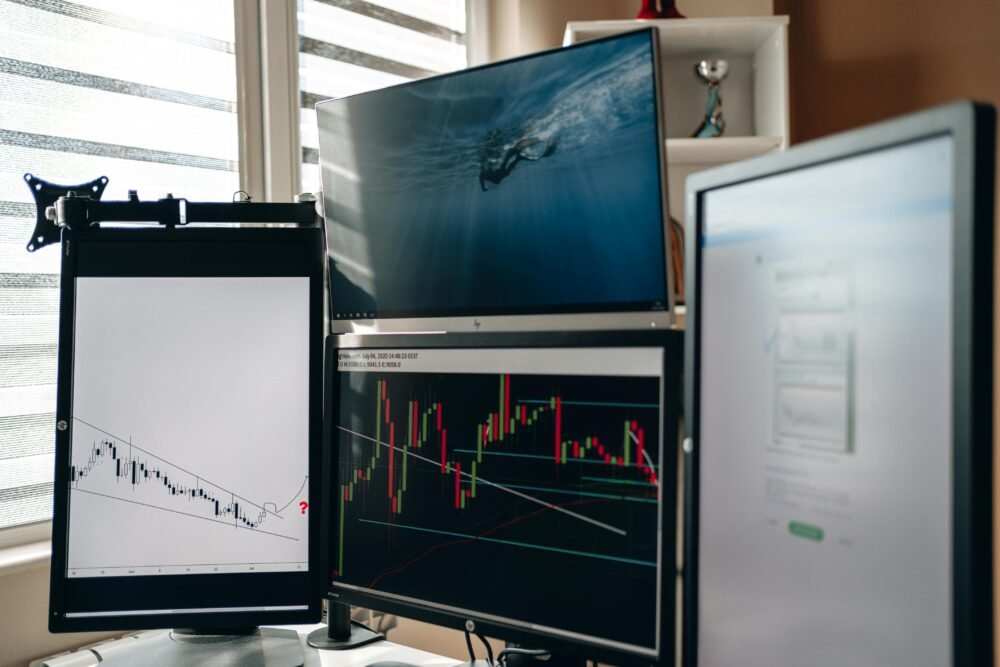
Retail forex trading used to revolve around screen time, instinct, and the constant urge to react. A setup would form, price would move a little too fast, and discipline would often give way to impulse. That pattern shaped retail behavior for a long time.
Many traders built their routines around watching charts for hours, second-guessing entries, and managing trades through emotion as much as analysis. The shift is bigger than convenience. It is altering how traders think about structure, execution, and even what it means to participate in the market.
Automated tools now allow retail traders to translate ideas into repeatable processes. That changes habits at the deepest level. Instead of asking whether a trade feels right in the moment, more traders now ask whether the trade meets a tested rule set.
Read Full Article on Mail & Guardian
[paywall]
That is a meaningful change, because habits define performance long before results show up in an account history. The first real change starts with tool quality. Traders who use weak systems often build weak habits around them.
They override signals too often, doubt execution, or spend too much time fixing technical issues. A reliable automation setup creates the opposite effect. It supports consistency, and consistency changes behavior over time.
That is why the choice of tools matters so much. High-qualityforex trading automation botscan help traders move away from random execution and toward a more stable process. When the bot is built around clear logic, dependable execution, and proper risk parameters, the trader begins to think differently.
The focus shifts from chasing every move to refining the framework behind the move. This affects habit formation in a practical way. A trader using a reliable automation tool is more likely to review system behavior, evaluate risk exposure, and improve trade filters.
A trader using unreliable software often falls into reactive mode. That difference matters because retail performance often depends less on market knowledge and more on behavioral consistency. Good automation also creates accountability.
Every action comes from a rule. Every result can be traced back to the system. That makes it harder to hide from bad decisions and easier to improve the process.
Emotion has always been one of the biggest pressure points in retail forex. Fear closes trades too early. Greed stretches targets beyond reason.
Frustration creates revenge trades. Even experienced traders know that technical skill alone does not solve those problems. Automation reduces the number of moments where emotion can interfere.
That does not mean the emotional element disappears. It simply moves. Instead of showing up during order execution, it appears during system design, risk selection, and performance review.
This is a healthier place for it to live. A trader is far more likely to make sound decisions before the market opens than during a fast move in a volatile session. This shift is changing daily routines.
Traders who once hovered over every candle now spend more time checking whethermarket conditionsstill suit their model. They look at execution quality. They study whether slippage, spread behavior, or session timing affects the strategy.
That is a more mature habit set, and it reflects a more professional way of thinking. In practice, automation encourages traders to ask better questions:
[/paywall]
All Zim News – Bringing you the latest news and updates.
