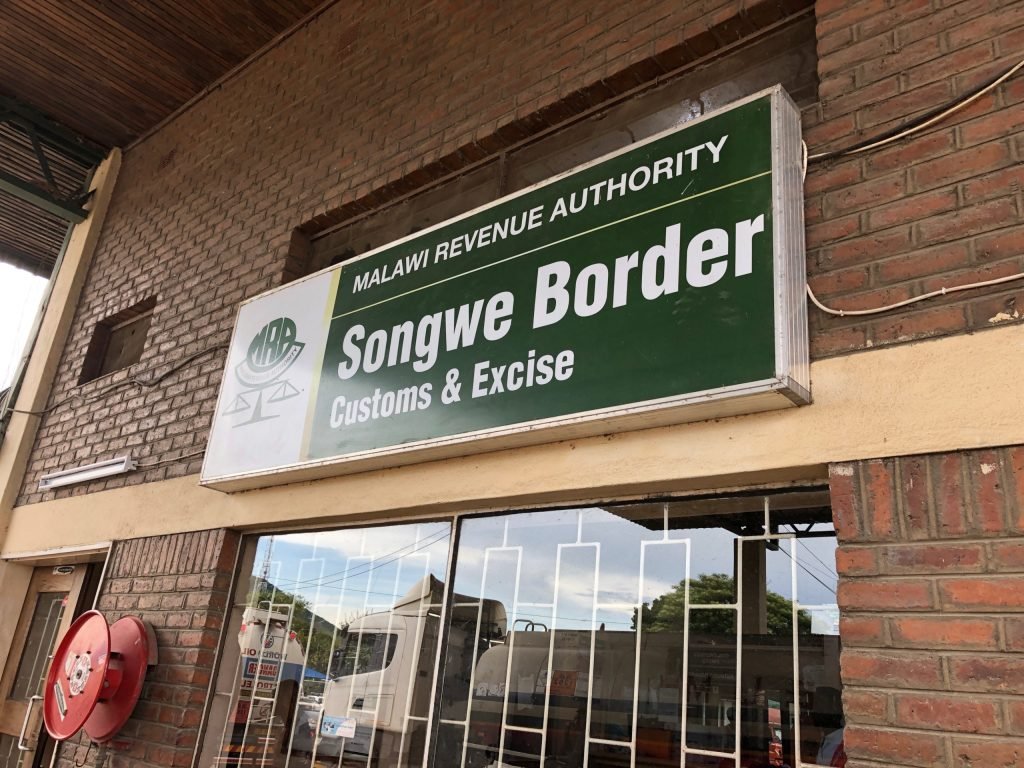

For years, Olaf Sanga and the more than 500 cross-border traders he represents have operated in a system they describe as unpredictable and exhausting.
Sometimes the taxes made sense. Often, they did not.
“The biggest challenge we faced was that the tax calculations were inexplicable,” said Sanga, president of a National Cross-border Traders Association. “If we took agro-products, they would put taxes that were difficult to understand. Sometimes, issues of taxes gave us stress, especially for some of our friends who are new to the business.”
But with the signing of the new Simplified Trade Regime (STR) between Malawi and Tanzania, Sanga sees something he says traders have long been denied: clarity.
“If we know that we just have to pay one dollar for the processing fee, it gives us flexibility,” he said. “We can order more within the agreed thresholds. It will help us to advance our businesses.”
On February 16, Malawi and Tanzania signed the landmark STR agreement at the Bingu International Convention Centre in Lilongwe. The deal introduces simplified customs documentation and duty-free access to an agreed list of goods valued at up to $2 000 (about K3.5 million) per consignment.
The agreement was signed by Malawi’s Minister of Industrialisation, Business, Trade and Tourism Simon Itaye and Tanzania’s Minister

for Industry and Trade Judith Salvio Kapinga.
Under the new framework, goods appearing on the approved list can cross the border duty-free, with traders paying a flat processing fee of just $1 (about K1 751). The simplified certificate of origin replaces complex customs procedures that were originally designed for large commercial operators.
“But now we know that anything from Tanzania that is on the list is exempt from duty. It makes everything easier for everyone,” said Sanga.
For Tabitha Kapengule, chairperson of Lilongwe Cross-Border Traders, the reform feels immediate and personal.
“As small traders we are very happy because this opens opportunities for us,” she said. “It gives us an opportunity to trade without the worry of taxes.”
Kapengule imports clothes and medicines from Tanzania. Under the old system, compliance costs and unclear assessments often wiped out much of her profit.
“Taxes were killing us,” she said plainly. “Now we can bring in goods without any charges as long as it’s on the list. We only pay one dollar. It’s a very good initiative. We are grateful and excited.”
For many traders, unpredictability was more damaging than the tax amounts themselves. Without clear calculations, planning was impossible. Margins fluctuated. Some reduced volumes. Others resorted to informal “panya routes” to avoid bureaucratic hurdles.
Beyond taxes, traders have long reported harassment and intimidation, particularly targeting women and youth.
All Zim News – Bringing you the latest news and updates.
