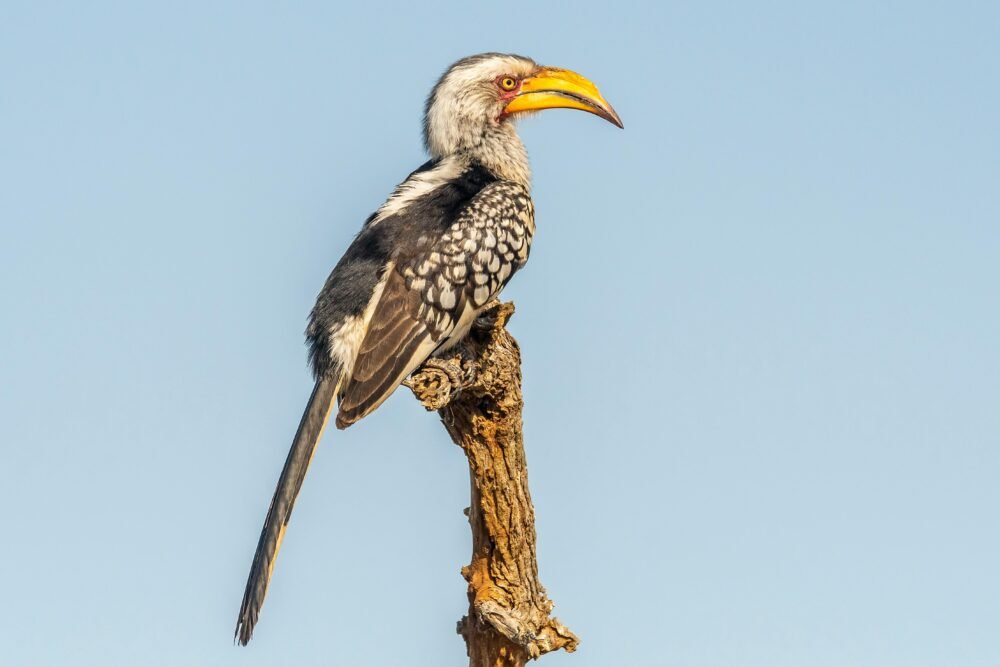
Africa’sforest-dwelling hornbills— vital seed-dispersers in the forests of West and Central Africa — have won long-overdue international protection after countries approved a proposal to regulate their global trade. The decision, adopted on Wednesday at the Convention on International Trade in Endangered Species of Wild Fauna and Flora (Cites)Conference of the Parties (CoP20)in Uzbekistan, will list all species of the generaCeratogymnaandBycanistesin Appendix II. The move introduces mandatory monitoring, reporting and permitting for any international trade — a significant shift for African hornbills, which until now had never been included in the convention despite growing evidence of unregulated global demand.
The continent’s distinctive hornbills play a vital role in keeping ecosystems alive across West and Central Africa’s forests, BirdLife International said. They feast on fruit and disperse the seeds — sometimes many kilometres away — helping forests regenerate and keeping landscapes healthy. For years, many Asian hornbill species have been listed under Cites, imposing restrictions on the trade of these birds across international borders and helping curb poaching.
“Yet no African hornbill has ever been listed, despite mounting evidence of unregulated international trade,” the non-profit avian conservation organisation said. “That gap has left some of Africa’s most iconic forest hornbills increasingly vulnerable.” This year, a coalition of African countries, including Cameroon, Congo, Gabon, Niger, Nigeria, Senegal, Sierra Leone and Togo, sought to change that with theirproposalto Cites CoP20. Being listed in Appendix II will require strict monitoring and regulation of international trade to ensure this threat does not jeopardise the survival of Africa’s hornbills.
Read Full Article on Mail & Guardian
[paywall]
Alex Berryman, a senior red list officer at BirdLife International, described the listing as “a decisive step” toward safeguarding these iconic birds, many of which are increasingly threatened by international trade and habitat loss. The recent uplisting of the black-casqued hornbill to near-threatened “underscores the urgency of action required”, he added. The push for regulation follows mounting concern over asurge in demand for hornbill skullsand casques.
BirdLife said that new research has documented more online listings and international shipments, with hunters in some regions reporting that foreign buyers are driving local offtake. Without Cites regulation, there are no global safeguards to ensure the trade is traceable or sustainable, leaving authorities without the tools to assess sustainability or prevent overharvesting.
[/paywall]
