On any given day in Bulawayo’s bustling central business district, passers-by might encounter an unkempt Mthokozisi Mabuyane walking barefoot and weaving aimlessly through traffic.Clad in tattered clothes and trailing a pungent odour, Mabuyane often draws the ire of motorists and strikes fear in pedestrians, who scatter at his approach.The middle-aged man is not merely another troubled figure on the streets. He is part of a ballooning number of mentally-ill individuals in a city grappling with a growing public health crisis and lack of facilities to handle people battling mental disorders.Originally from Dandanda in Lupane, Matabeleland North Province, Mabuyani once had a home and family. Today, his presence on the streets tells a deeper story of abandonment, systemic neglect and a society ill-equipped to deal with a bludgeoning mental health crisis.His mother, Nomthandazo Nyoni, sat on the edge of despair as she lamented the stigma and lack of access to medical facilities for her son.“It’s never easy being a mother to someone with mental illness, especially in a society where people associate it with witchcraft, avenging spirits or demons,” she said, fighting back tears.For the past two years, Nyoni has shuttled between hospitals and traditional healers, trying to bring her son back from the edge.
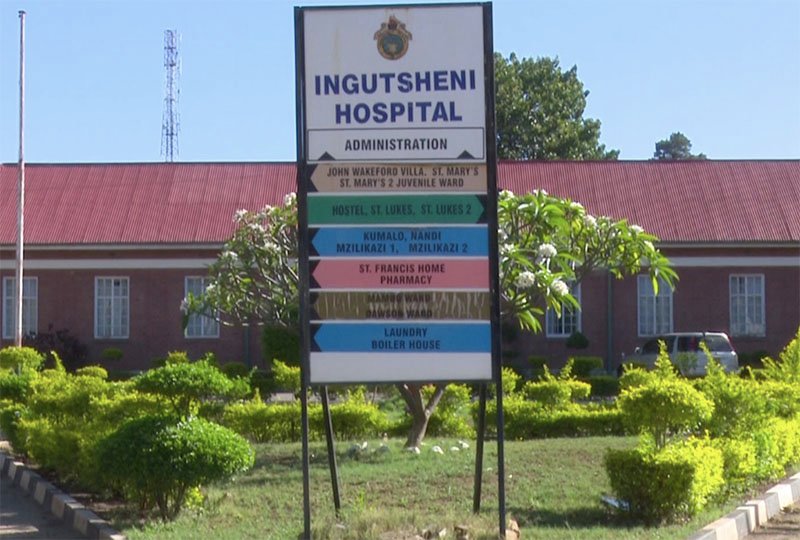
Her main stop has been Ingutsheni Central Hospital, Zimbabwe’s largest psychiatric institution located in Bulawayo, where Mabuyane has received treatment and temporary rehabilitation, but relapses have been frequent and severe.“He has attempted suicide more times than I can count. He has been violent sometimes, making it hard for us to keep him at home,” Nyoni said. “I am a single mother and this journey has drained me financially, emotionally and spiritually.” Nyoni’s story is harrowing, but not unique.
Across Bulawayo, the sight of mentally ill individuals wandering the streets is becoming disturbingly common, a visible symptom of a hidden epidemic. According to a 2023 Ministry of Health and Child Care report titled:Prevention and management of mental health conditions in Zimbabwe: A case for investment, the majority of mental health patients in the country often present with schizophrenia, substance-induced psychosis, bipolar effective disorder (mania), epilepsy or the psychiatric complications of HIV. The report said in psychiatric outpatient clinics and private practice, depression, substance dependence and anxiety disorders were frequently diagnosed.
[paywall]
While reliable statistics on drug use and its contribution to the surge in mental health disorders are not available in Zimbabwe, anecdotal evidence suggests a growing crisis. The Zimbabwe Civil Liberties and Drug Network, said by 2021 drug abuse accounted for 60 percent of psychiatric admissions, with 80 percent of these involving young people aged between 16 and 25. Drugs and substances that are commonly abused in Zimbabwe are marijuana, crystal meth, cough syrups and illicit alcohol.
The World Health Organisation (WHO) says the prevalence of alcohol use disorders and alcohol dependence in Zimbabwe is 6.4 percent and 2.2 percent of the population, respectively. These rates are significantly higher than the overall rates for the WHO Africa Region, which are between 3.7 percent and 1.3 percent, and this could explain Zimbabwe’s fast growing population of people with mental health disorders.
[/paywall]
