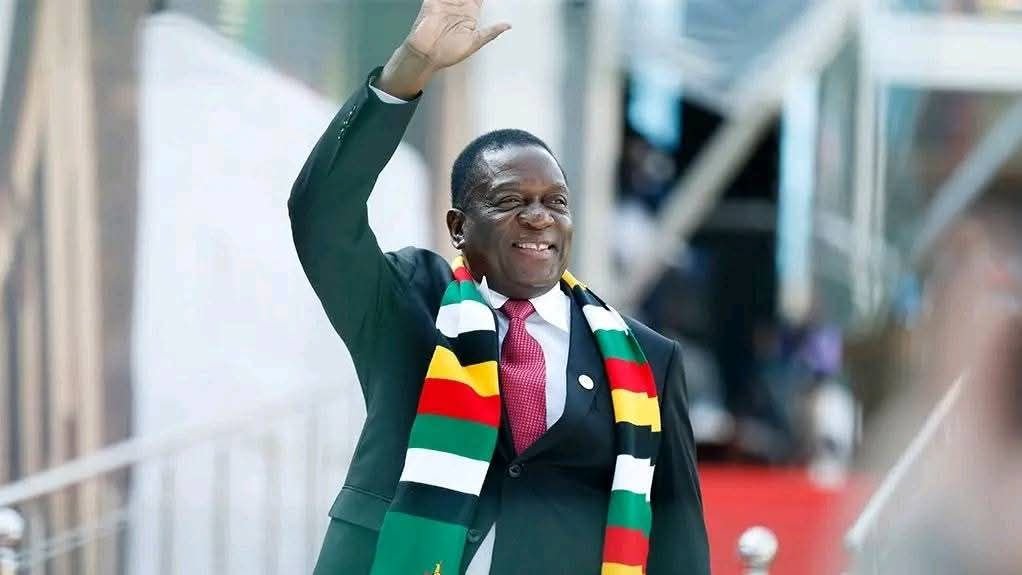
Zimbabwe says it is in the process of returning 67 farms that were seized during the country’s controversial land reform programme, marking a major shift in policy as the government pushes to rebuild relations with Western nations and secure international debt relief. The farms belong to nationals from Denmark, Switzerland, Germany and the Netherlands, countries that had bilateral investment protection agreements with Zimbabwe before the land seizures began under former President Robert Mugabe. Speaking in Parliament on Wednesday, Agriculture Minister Anxious Masuka said the government had already started the process of handing the farms back to their original owners because they were protected under international investment treaties.
“We are in the process of returning those to them,” Masuka told lawmakers. Zimbabwe launched its fast-track land reform programme in 2000, during which thousands of white-owned commercial farms were seized. At the time, the government argued that the move was necessary to correct colonial-era land ownership inequalities and resettle landless Black Zimbabweans.
However, the programme had devastating economic consequences. Commercial agriculture — once the backbone of Zimbabwe’s economy — collapsed, food production sharply declined, and the country spiraled into an economic crisis that culminated in hyperinflation and currency collapse in 2008. Zimbabwe, once considered the breadbasket of Southern Africa, increasingly struggled to feed its own population.
Read Full Article on Nyasa Times
[paywall]
Since taking power after Mugabe was removed in a 2017 military-backed coup, President Emmerson Mnangagwa has attempted to re-engage Western countries and international financial institutions that distanced themselves from Zimbabwe over the land seizures and allegations of human rights abuses. The return of the farms is widely seen as part of Harare’s broader effort to convince international lenders and donor countries that Zimbabwe is serious about economic and governance reforms. Zimbabwe is currently burdened with massive foreign debt.
Because of the debt defaults, Zimbabwe has effectively been locked out of major international financing systems for more than two decades. International lenders, including the International Monetary Fund (IMF), have repeatedly insisted that Zimbabwe must resolve disputes linked to the land reform programme before any meaningful debt restructuring or financial assistance can happen. The IMF recently approved a 10-month Staff Monitored Programme for Zimbabwe aimed at tracking economic reforms and rebuilding confidence in the country’s economy.
However, the programme does not include direct financial support. Mnangagwa had earlier attempted to address compensation issues by signing a US$3.5 billion compensation agreement in 2020 with about 4,000 white commercial farmers whose land was seized. But Zimbabwe’s cash-strapped government has struggled to honour the payments in full.
The four European countries whose citizens are now set to recover farms are also among key Western partners involved in discussions around Zimbabwe’s debt relief process and remain important aid donors to the country. The move is therefore likely to be interpreted not only as a legal obligation under international investment agreements, but also as a strategic economic and diplomatic effort by Zimbabwe to restore investor confidence, attract foreign capital and end years of economic isolation.
[/paywall]
All Zim News – Bringing you the latest news and updates.
