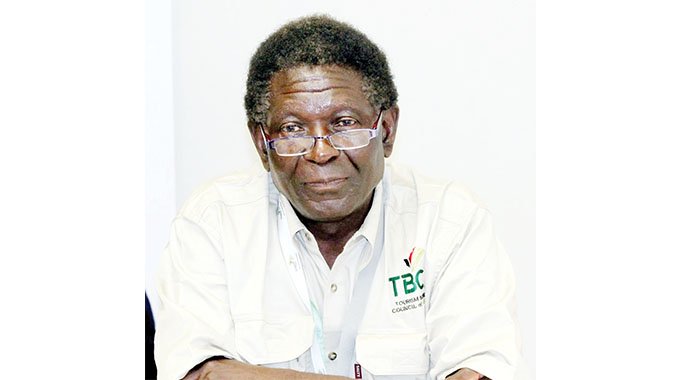
Zimbabwe has secured a strategic position in the region’s top tourism decision-making body after Tourism Business Council of Zimbabwe chief executive officer, Mr Paul Matamisa, was appointed to the six-member steering committee of the SADC Tourism Alliance — the unified private sector voice for tourism across all 16 Southern African Development Community member states.
The development places Zimbabwe at the heart of shaping regional strategies aimed at breaking down barriers that have long constrained the growth of Southern Africa’s tourism sector.
With intra-regional tourism still accounting for less than 25 percent of arrivals and air connectivity described as critically limited, the SADC Tourism Alliance’s new leadership will drive efforts to unlock the region’s untapped potential.
The steering committee, appointed for a three-year term, includes representatives from South Africa, Madagascar, Malawi, Namibia, Mozambique and now Zimbabwe through Mr Matamisa’s appointment.
Mr Matamisa, a seasoned tourism executive is expected to use his new role to ensure Zimbabwe’s priorities are well integrated into the broader regional agenda, while also helping to position the country as a leading destination within a seamlessly connected Southern African tourism circuit.
In a statement, SADC Tourism Alliance chair, Mr Tshifhiwa Tshivhengwa, said: “Each of us faces national challenges – whether it’s airlift in Malawi, skills development in Namibia, or infrastructure in Madagascar But we’ve learnt that a tourist doesn’t see borders the way we do. “When we work together, we can unlock investment, create jobs, and protect our natural heritage at a scale that none of us can achieve alone That’s not just good business – it’s essential for the communities who depend on tourism across our region. ”The SADC Tourism Alliance, formed in 2022, operates independently while engaging with the SADC Secretariat.
Its mission aligns with the SADC Tourism Programme 2020-2030, which seeks to position Southern Africa as a competitive, sustainable and unified global tourism destination.
During a recent strategy session, the Alliance identified three priority areas for action: unlocking regional access, strengthening the region’s reputation and ensuring institutional sustainability.
