
Zimbabwe News Update
 263chat
 4 min read
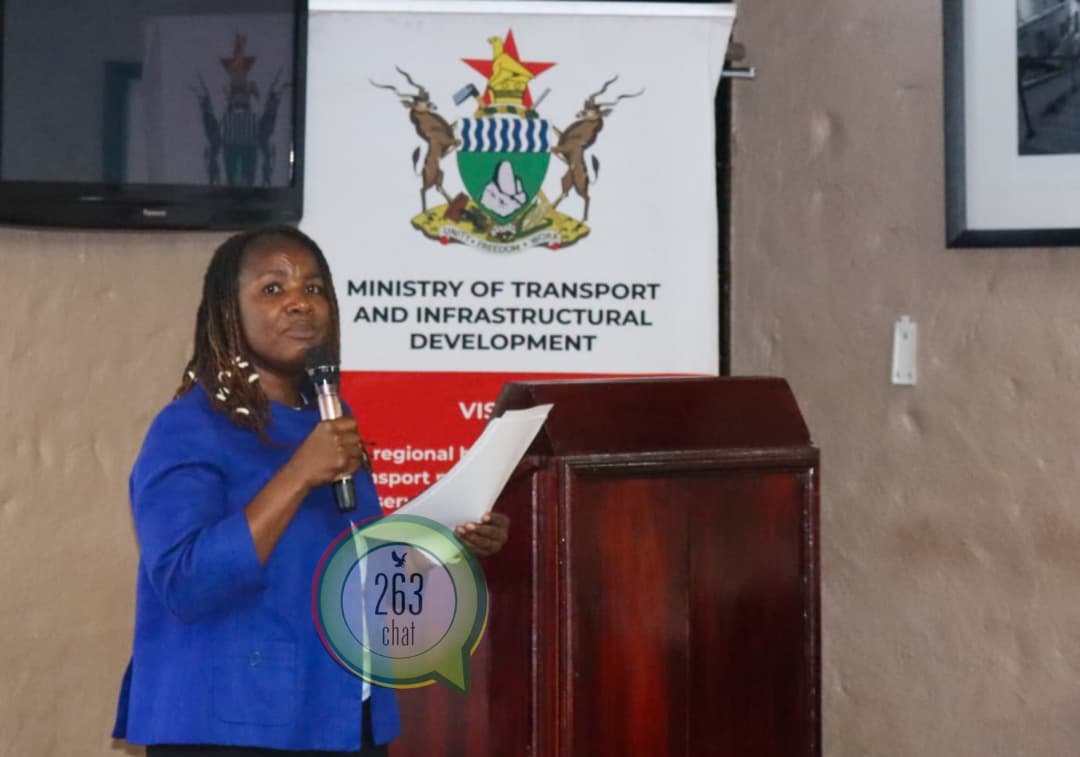
By Elishamai Alouis ZiumbwaGovernment officials and development partners have convened for a national workshop aimed at addressing the economic and logistical challenges faced by Landlocked Developing Countries (LLDCs) with a focus on turning data into actionable policy to reduce trade and transport costs.Permanent Secretary for Transport and Infrastructural Development, Engineer Joy Makumbe opened the workshop by highlighting the unique hurdles faced by countries without direct access to the sea.“The lack of direct access increases transport costs, reduces competitiveness, and limits participation in global trade,” she said noting that many LLDCs also face constraints in energy, digital connectivity, and climate resilience.Makumbe highlighted the importance of integrating data across sectors, including transport, trade, energy, education and the environment.“Data alone does not change lives.
Policies do.
Evidence must be transformed into actionable, context-specific solutions that respond to the realities of each country and community,” she said.The Permanent Secretary urged government ministries, state institutions, the private sector, regional bodies such as the SADC Secretariat and development partners to collaborate in strengthening Zimbabwe’s data ecosystems.She highlighted ongoing border modernisation and infrastructure projects as vital to reducing bottlenecks and improving trade efficiency.In remarks delivered by Innocent Madziva on behalf of UN Resident Coordinator Edward Kallon, the UN called for evidence-based decision-making to tackle the challenges of landlockedness.“Every kilometer to the ports of Beira, Durban, or Walvis Bay is not just a measure of distance, but a tally of challenges: transit fees, border delays, cumbersome paperwork and the ever-present risk of spoilage and missed opportunities,” Kallon said.He noted that transport costs for LLDCs can be up to 75% higher than for coastal nations, affecting farmers, miners, and manufacturers.Kallon said the workshop, aligned with the Awaza Programme of Action (2024–2034), would enable stakeholders to move from recognizing these problems to developing practical solutions, including improving corridor management, prioritising infrastructure investments and embracing digital trade facilitation systems.Both Engineer Makumbe and Kallon highlighted the importance of partnerships and regional cooperation.“The ‘silo mentality’ does not bear results.

 Read the full article

