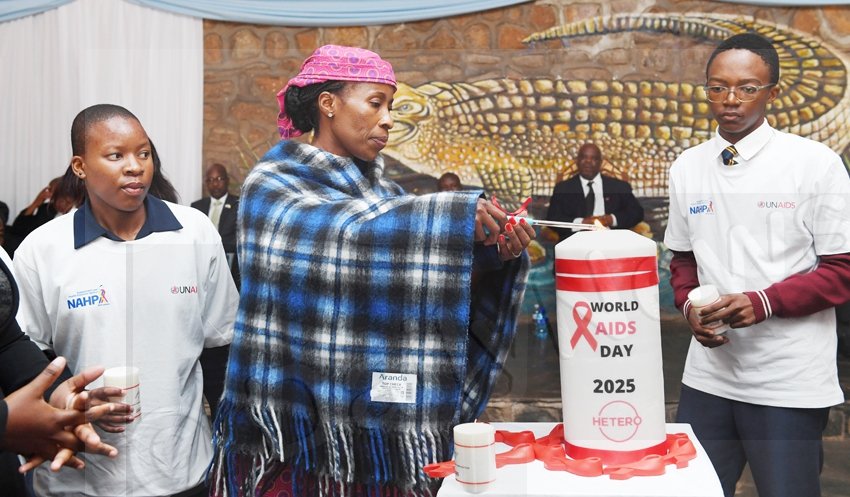
Alcohol and substance abuse have been identified as major drivers of new HIV infections in Botswana, particularly among young people, the Minister of Health Dr Stephen Modise warned during the World AIDS Day commemoration held in Kanye on December 1. In 2024, an estimated 4 120 people contracted HIV in Botswana. Of these 1 118 cases representing 27 per cent occurred among adolescent girls and young women aged 15–24.
Minister Modise highlighted a worrying decline in condom use among the youth. “Young people face challenges in negotiating safer sex due to power imbalances, limited access to HIV prevention information, and scarce resources especially in remote areas,” he said. Dr Modise announced that the Ministry of Health would intensify targeted prevention programmes for adolescent girls and young women, as well as key populations and young men, to close the remaining gaps in achieving the UNAIDS 95-95-95 targets.
Botswana has already reached approximately 95-95-95 status seven years ahead of the 2030 deadline with 95 per cent of people living with HIV knowing their status, 95 per cent of those diagnosed on treatment, and 95 per cent of treated individuals virally suppressed. This year’s World AIDS Day theme: Overcoming disruption, transforming the AIDS response, reflects recent global funding uncertainties that have disrupted Botswana’s HIV prevention and treatment services. Dr Modise urged all stakeholders including government, civil society, faith-based organisations, the private sector and development partners to innovate new resource-mobilisation strategies and eliminate wastage in health service delivery.
Read Full Article on Daily News Botswana
[paywall]
He stressed the need to protect hard-won gains and prevent any regression in the national HIV response. The minister also drew attention to the growing threat of non-communicable diseases (NCDs). Conditions such as diabetes, cancer, cardiovascular diseases and chronic respiratory illnesses now account for over 70 per cent of global deaths (41 million annually).
Lifestyle changes linked to urbanisation, including tobacco use, excessive alcohol consumption, unhealthy diets and physical inactivity, were driving a similar rise in NCD risk factors in Botswana, said Dr Modise. In a separate announcement, the minister assured Kanye community that the long-awaited district hospital was envisaged to be delivered through a public-private partnership model despite current economic challenges. United Nations Acting Resident Coordinator, Mr Malviya Alankar, commended Botswana’s leadership in the regional and global HIV response but warned that the country could not afford complacency.
[/paywall]
