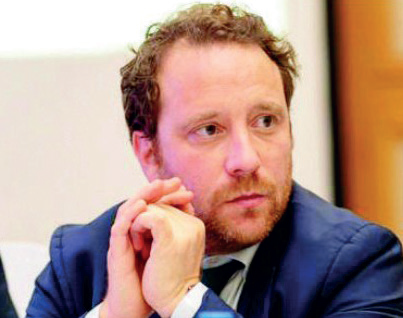
The World Bank says Malawi should undertake sweeping fiscal and structural reforms to restore debt sustainability, because stabilisation measures alone will not break a cycle of rising borrowing costs and weak growth. The call aligns with a recent International Monetary Fund (IMF) assessment that Malawi remains “in debt distress” and reflects mounting concern among development partners that the country’s debt trajectory is structurally unsustainable. In a written response this week, World Bank senior economist Jakob Engel said Malawi’s debt challenge stems from entrenched fiscal imbalances rather than temporary shocks.
“The structural problems are threefold and self-reinforcing,” he said, citing chronic revenue shortfalls due to a narrow tax base and exemptions, repeated budget overruns with the wage bill consuming nearly 40 percent of domestic revenue and heavy reliance on domestic borrowing after external financing dried up. Borrowing in a high-interest environment, where the Reserve Bank of Malawi policy rate stands at 26 percent, has pushed interest payments to nearly half of tax revenue. “The result is a vicious cycle that no single external shock created and that no single good harvest or aid injection will resolve,” Engel said.
On Tuesday, IMF resident representative Nelnan Koumtingue urged Malawi to accelerate debt restructuring, reduce its domestic interest burden, broaden the tax base and unlock export-led growth. He said external debt service “is projected to remain above some of its key risk indicators for many years,” pointing to vulnerabilities relative to exports and tax revenue. Koumtingue added that domestic debt levels “have sharply increased in recent years and are expected to continue to rise over time,” with domestic interest and principal payments now accounting for over 70 percent of total debt service costs.
[paywall]
Treasury data show that domestic borrowing now finances the bulk of fiscal deficits. Between 2021/22 and 2025/26, 80 to 94 percent of annual fiscal deficits were financed through domestic borrowing. In 2025/26 alone, domestic borrowing is projected at K2.33 trillion, more than 90 percent of the deficit.
In recent budgets, recurrent expenditure exceeded approved ceilings while capital allocations were reduced. Development spending has repeatedly been cut to accommodate wages and interest payments. In the 2025/26 National Budget, just 10 percent of total expenditure went to capital formation and other operations, with wages and debt servicing absorbing 90 percent, squeezing space for long-term growth.
Without concessional financing and budget support, Malawi has increasingly relied on high-cost domestic debt, with interest rates ranging from 16 to 35 percent, as well as more expensive external borrowing from regional commercial banks. Domestic debt now exceeds external debt. This shift has sharply increased servicing costs and created rollover risks as short-term instruments must be refinanced frequently. It has also tied government solvency more closely to domestic banks and pension funds.
[/paywall]
All Zim News – Bringing you the latest news and updates.
