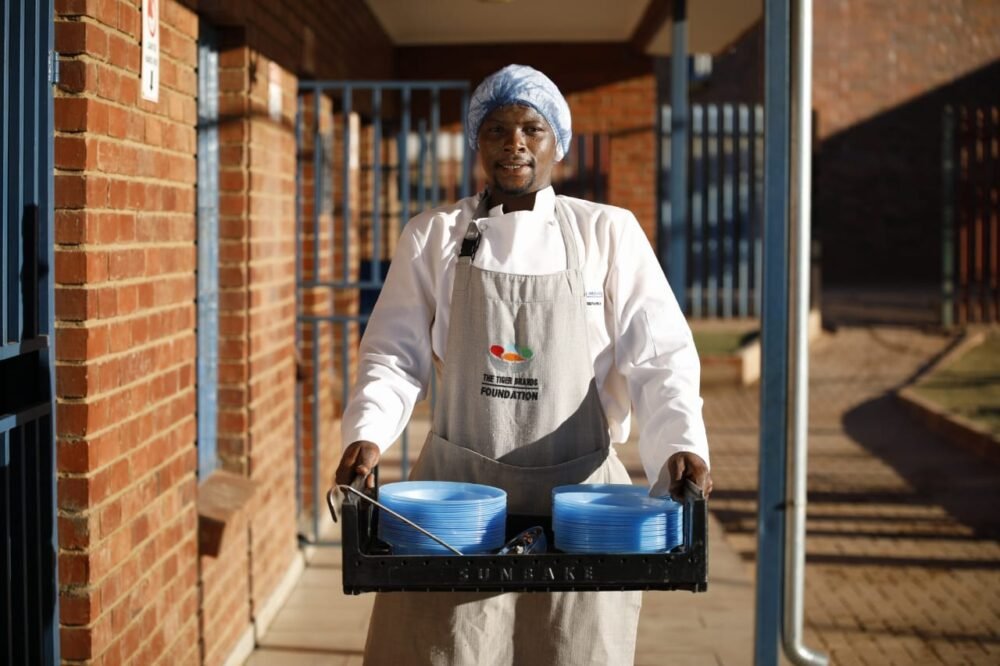
The link between nutrition and education is undeniable – a hungry child cannot learn effectively, and a malnourished child faces lifelong disadvantages. The Tiger Brands Foundation (TBF) has long recognised this truth, and its Khulisa Strategy (a five-year strategy and the path to TBF’s 2035 vision) represents a bold, necessary step forward in tackling malnutrition and educational inequality. Khulisa, meaning “to grow or foster development”, is more than a slogan; it is a vision for systemic change.
At its core, Khulisa is about moving beyond reach and quantity towards quality, dignity and sustainability in school nutrition. For the past 15 years, the Foundation has partnered closely with the Department of Basic Education (DBE) to provide hot breakfasts to learners in no-fee schools. This flagship programme has proven its worth by improving attendance, ensuring better concentration, and enhancing engagement in classrooms.
Yet the challenge of malnutrition persists. Seven percent of children in South African schools remain moderately or severely stunted, according to the Thrive to Five Index. Khulisa is the Foundation’s response to this stubborn reality.
Read Full Article on Mail & Guardian
[paywall]
The strategy sets two clear milestones. These goals are ambitious, but they are grounded in evidence, partnerships and a pragmatic operating model that has already demonstrated success. What does Khulisa do differently?
Firstly, it insists on dignity. Meals are prepared and served with care, never from reused containers, and always with proper utensils. Volunteer Food Handlers are trained, accredited and celebrated for their contribution, and provided with the necessary infrastructure support to increase quality.
This respect for both learners and those who serve them elevates nutrition from charity to empowerment. Secondly, Khulisa embeds sustainability. School food gardens, nutrition classrooms and community involvement ensure that School nutrition programmes are not isolated interventions but catalysts for resilience and skills development.
Thirdly, it leverages innovation. Tools like the Zibo NutriBot and the Nutrition Enhancement Platform provide real-time monitoring, risk management, and data-driven insights, enabling the Foundation to refine operations and advocate for policy change. Khulisa has been implemented to drive both opportunity and urgency.
On the one hand, South Africa has made progress as child mortality rates have halved in a quarter century and national nutrition programmes are expanding. On the other hand, malnutrition remains a stubborn barrier to equality. Rising food prices, limited resources and systemic risks threaten the sustainability of existing programmes.
Without a strategic shift, gains could stall. Khulisa positions TBF not just as a service provider but as a thought leader, policy influencer and custodian of quality in school nutrition. The strategy is consultative, iterative and evidence-based, prioritising partnerships, research and advocacy alongside direct delivery.
It acknowledges weaknesses, such as limited longitudinal studies and undiversified revenue, and sets out to mitigate them through diversification, collaboration and systemic risk management. In short, Khulisa is designed not only to feed children but to reshape the national conversation on nutrition. Every step of Khulisa is a journey, and every move matters. If South Africa is to break the cycle of poverty and unlock the potential of its youth, then Khulisa is not just timely but indispensable.
[/paywall]
