It can well begin with Phungu Joseph Nkasa’s hit, Zikuchokera kuti. In his chorus, Nkasa asks: Nkhondo ya mumtima, zikuchokera kuti? Yolimbana ndi moyo, zikuchokera kuti?
Nkhani ya ziphuphu, zikuchokera kuti? Wayambisa ndani? Mayesa ndinu nomwe?
Writing in his book Living my destiny, Austin Mkandawire describes how Nyasaland was a country divided by race. Under British colonial rule, Africans were denied opportunities enjoyed by Europeans. They had limited access to quality education, senior government positions, fertile land and political power.
[paywall]
The injustices gave birth to native associations across the country. Although they were initially organised along ethnic and regional lines, these organisations soon realised they shared a common enemy—colonial discrimination. The Angoni Native Association in Ntcheu, the Blantyre Native Association, the Mombera Native Association in Mzimba, the North Nyasa Native Association and the West Nyasa Native Association eventually united under the Nyasaland African Congress (NAC).
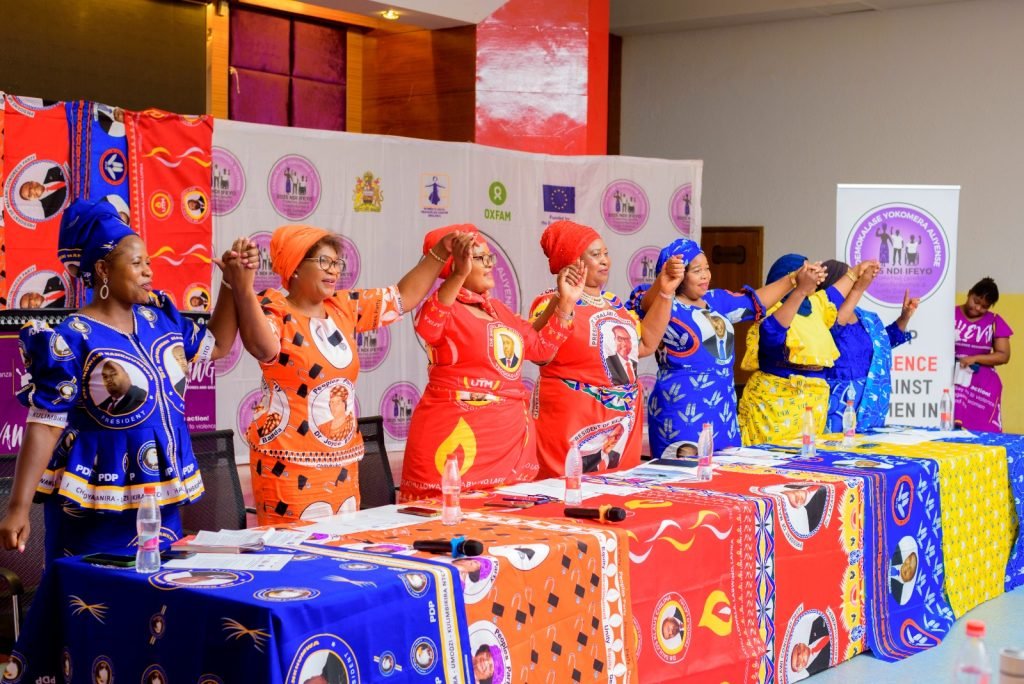
Together, they became the backbone of the nationalist movement that culminated in Malawi’s independence on July 6, 1964. But 62 years later, structures of exclusion that once kept Africans from participating fully in their own country have, in many ways, continued to keep women on the margins of political and economic decision-making. Under the current systems, women, just like Africans during the colonial era, are denied opportunities enjoyed by men.
Take for example, Parliament, where women secured 48 of the 229 seats in the 2025 elections (21 per cent), a slight increase from 45 seats in 2019. However, this still falls far short of meaningful representation. This is despite the Political Empowerment of Women Strategy (2024–2030), which targeted women winning 35 per cent of parliamentary and local government seats in the 2025 elections.
Not only that, local councils also remain overwhelmingly male, while leadership positions in government institutions, State-owned enterprises and the corporate sector continue to be dominated by men. According to Marcel Chisi, coordinator of Men for Gender Equality Now, the underrepresentation of women in leadership and education is deeply rooted in cultural beliefs.
[/paywall]
All Zim News – Bringing you the latest news and updates.
