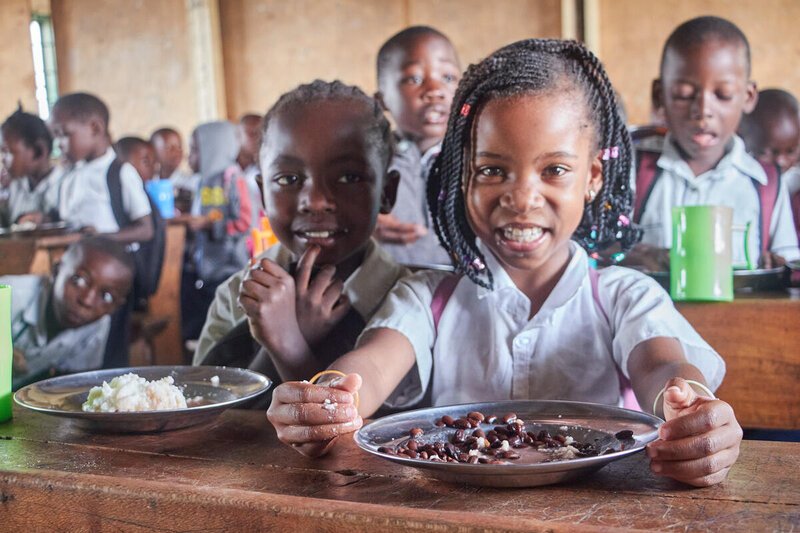
In South Africa, we often speak about hunger as though it were an unfortunate side effect of poverty, climate shocks or global food prices. But this framing obscures the firm truth: widespread hunger persists not because the country cannot feed itself but because the way food is controlled, distributed and governed actively excludes millions of people. South Africa produces ample food.
Yet large numbers of households struggle to secure regular, nutritious meals. Children continue to suffer lifelong consequences such as stunting and impaired brain development from undernutrition. These outcomes are neither mysterious nor accidental.
They are the result of policy choices, market structures and historical decisions that continue, in the present day, to shape who eats well and who does not. The roots of this crisis run deep. Systems of land dispossession and agricultural restructuring under colonialism and apartheid dismantled local food economies and concentrated productive land in a few hands.
Read Full Article on Mail & Guardian
[paywall]
These patterns did not disappear in 1994. As a society, we have become accustomed to these patterns. We speak of hunger in reports and surveys but we rarely treat it with the urgency reserved for other constitutional failures.
Today, South Africa’s highly commercialised food system prioritises export earnings, efficiency and shareholder value, while access and nutrition are treated as secondary concerns. The result is a quiet normalisation of deprivation in a country that claims human dignity and ubuntu as founding values. The Constitution does not permit this indifference.
The right to food is neither aspirational nor an abstract concept. It is enforceable. For children, it is immediate.
Yet decades into democracy, statistics reveal a persistent triple burden facing children. Unicef’s State of the World’s Children report noted that a significant number of South African children under five years of age face chronic undernutrition (stunting and wasting), hidden hunger (anaemia) and overweight or obesity.
[/paywall]
All Zim News – Bringing you the latest news and updates.
