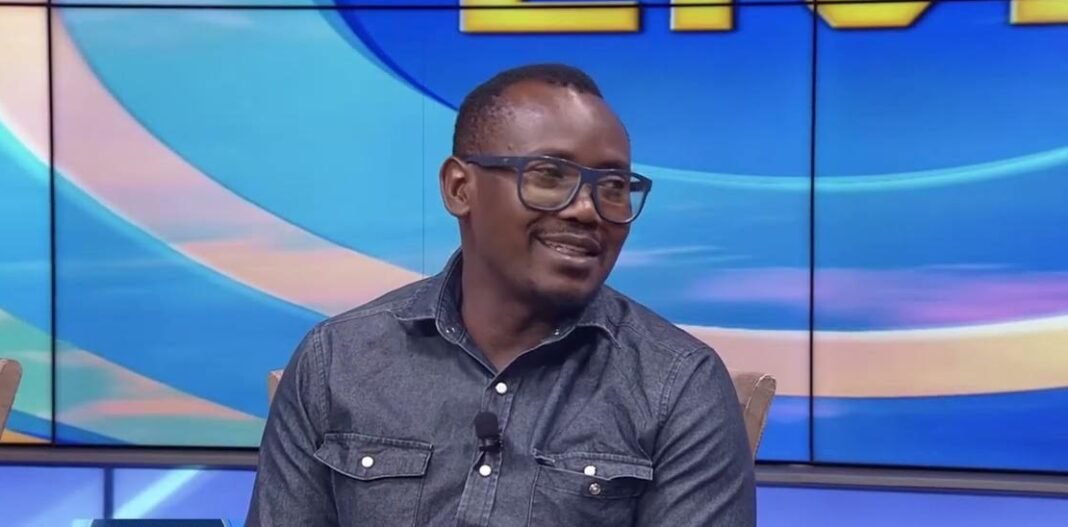
The battle did not open with sirens or boots on the ground. It began with language. From a studio in Lusaka,UPND Media Director Mark Simuuweadvanced the first volley, urging “respect for due process” while carefully drawing a line between the Catholic Church and one of its most senior shepherds.
It sounded procedural, measured, almost conciliatory. But in wars of conscience, language is never neutral. It is artillery.
Simuuwe insisted that relations between the State and the Catholic Church remain cordial, even as he framedArchbishop Alick Bandaas an individual subject to investigation like any other citizen. The Drug Enforcement Commission, he said, was merely doing its constitutional duty. Due process must run its course.
Read Full Article on Lusaka Times
[paywall]
The Church, he argued, should not be dragged into “individual clergy matters.” That framing was the strike.Because Archbishop Alick Banda is not just another man. He is an institution. To reduce him to an isolated actor is to flatten history, vocation, and moral authority into a police docket.
It is to pretend that the mitre carries no weight, that the altar is just another podium, that the voice formed by centuries of pastoral witness can be neatly separated from the institution that ordained it. Simuuwe quoted the Archbishop’s own words, “a wrong is a wrong no matter who is involved,” and turned them back on him like captured weapons. He argued that alleged personal omissions by clergy must not implicate the Church.
Courts will decide. Evidence will speak. Convictions will follow where appropriate.
No innocent person, he said, sits in prison without judicial determination. This was not dialogue. It was containment.The Church understood immediately.
That is why theZambia Conference of Catholic Bishopsdid not respond with platitudes or pastoral vagueness. Their Statement of Solidarity was a counter-offensive, calm but unmistakable. It named what was unfolding: the targeting of a prophetic voice, the weaponisation of state machinery, the shrinking of civic and moral space.
These were not casual accusations. The Church chooses words the way generals choose terrain. Someone, urgently, needs to sit Mark Simuuwe and the UPND down and explain a basic truth of Zambian history.
The Church is not an NGO. It is not an opposition party. It is not a pressure group auditioning for relevance.
It is a foundational pillar of this nation. Long before party slogans and campaign jingles, the Church educated the poor, healed the sick, buried the dead, reconciled the broken, and spoke when silence was fashionable. To argue otherwise is to declare war on memory.
And memory always wins. And this is where the battle lines widened. This did not remain a Catholic affair.
Pentecostals stepped forward. Others followed. This was no denominational skirmish.
It was a civic mobilisation. When one church is pressured for speaking about the cost of living, governance, justice, and human dignity, every pulpit feels the tremor. Seventh-day Adventists included.
Silence would have meant surrender. Clergy are not called to comfort. They are called to burden.
They absorb blows so society does not fracture. Yes, they are citizens. But they are also sentinels.
When sentinels are targeted, the gate is already under attack. Simuuwe’s remarks introduced a dangerous confusion into the field. Moral critique was recast as misbehaviour.
Preaching about economic hardship was treated as political agitation. The implied demand was clear: a church that baptises silence and sanctifies suffering. That is not Christianity.
That is convenience theology. Worse still was the rhetorical escalation. Metaphors of Lucifer, fallen glory, and satanic imagery were hurled at a serving archbishop.
That was not analysis. It was provocation. Tulekwatako umuchinshi. Words wound before actions do.
[/paywall]
