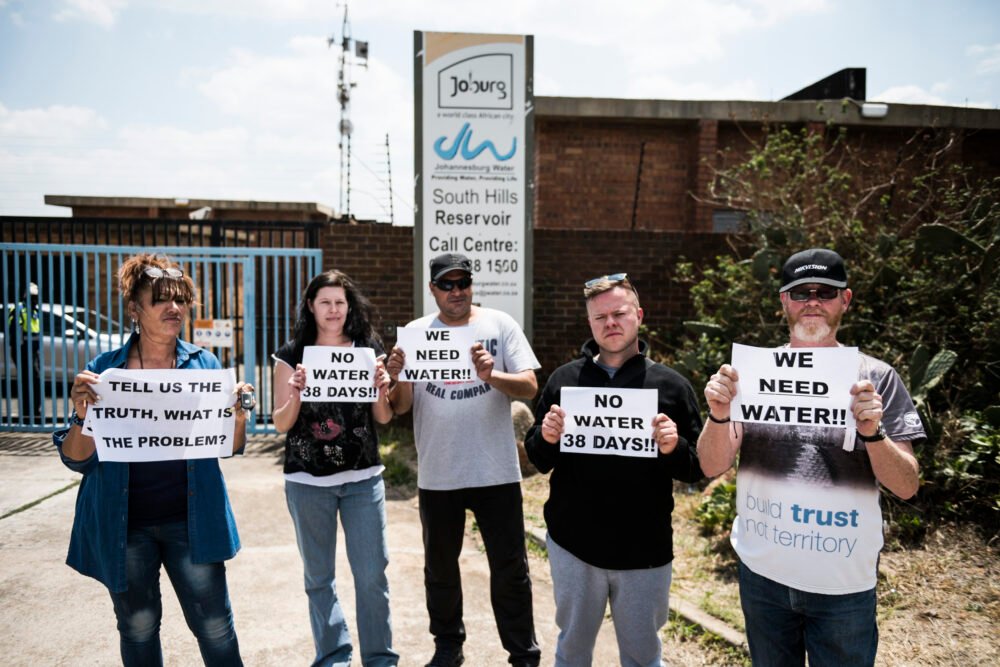
As South Africa heads into its first local government elections since the African National Congress lost its parliamentary majority in May 2024, the message from citizens is unmistakable: local government is failing and patience is thinning. A new poll by the Sivio Institute, the 2025 Citizens’ Perceptions and Expectations Survey, provides one of the clearest assessments yet of how South Africans view their municipalities. The report is particularly important because it focuses on local government, the sphere closest to citizens’ daily lives.
It is at this level that people experience the state most directly — through the tap, the refuse truck, the pothole, the streetlight and the local clinic. Yet local government often receives sustained political attention only during election season. The survey’s findings are stark.
Seventy percent of respondents rated their municipality’s performance as low. Only 2% rated it as high. Dissatisfaction cuts across geography.
Read Full Article on Mail & Guardian
[paywall]
Urban residents (67%), rural residents (73%) and peri-urban residents (74%) all express deep frustration. This is not an isolated sentiment. It is systemic disillusionment.
In metros such as Johannesburg, recurring water outages, crumbling infrastructure and erratic service delivery have become routine. The water crisis in the city is not an anomaly; it is emblematic of a broader municipal malaise. When municipalities were scored across 13 service delivery areas, including water, sanitation, refuse collection, road maintenance, housing, employment creation and crime reduction, every category scored below three out of five.
Employment creation and crime reduction were among the lowest-rated functions. Even clean water and sanitation, a core constitutional responsibility, failed to inspire confidence. The widening gap between political leadership and lived experience was captured during Johannesburg’s water crisis when Panyaza Lesufi remarked that he bathes at a hotel when water is unavailable at home.
While perhaps intended as a candid admission of inconvenience, the comment instead symbolised a deeper disconnect. When residents face dry taps, they queue for water tankers, miss work or go without. Political leaders often have alternatives. The inequality of coping mechanisms reinforces the perception that those in power are insulated from the consequences of failure.
[/paywall]
All Zim News – Bringing you the latest news and updates.
