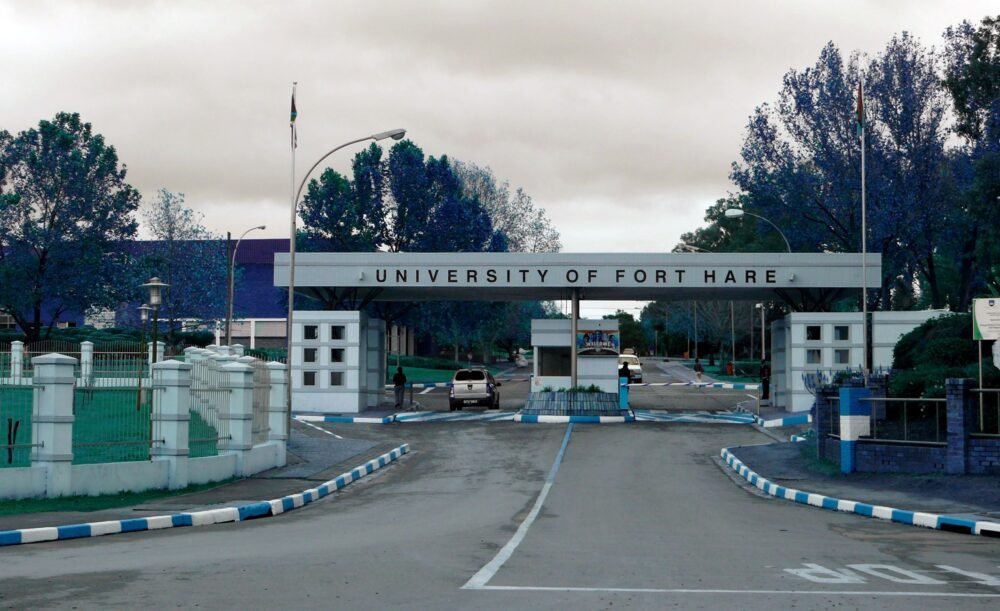
For years, concerns have been raised about governance failures at the University of Fort Hare. These concerns did not begin with the recent suspension of the vice-chancellor. They were flagged by the parliamentary portfolio committee on higher education and training in November 2024 and by theNational Tertiary Education Union (NTEU)as far back as 2018.
This article outlines seldom-reported failures to adhere to basic governance practices, and how this historic institution reached its current state. A disturbing pattern emerges: policies are ignored and accountability is delayed. A single thread runs through many of these cases.
I conclude with proposals to restore Fort Hare as an institution focused on developing future leaders — one that people from all walks of life can again take pride in. During aportfolio committee meetingin November 2024, Sakhela Buhlungu, the vice-chancellor, was questioned about the university’s failure to follow proper appointment processes. This followed revelations thatIsaac Plaatjies,director of vetting and investigations in the vice-chancellor’s office, had been employed on multiple short-term contracts before being appointed to a senior position without a formal interview process.
Read Full Article on Mail & Guardian
[paywall]
The NTEU had written to Buhlungu in 2018 raising concerns about Plaatjies’s appointment, noting that no vetting, recruitment or interview process had taken place in line with policy. The letter went unanswered. At the same meeting, it also emerged that the chief financial officer’s wife had been appointed to a human resources role without due process.
In response, Buhlungu said he had been “poorly advised” by individuals who have since been arrested and are no longer at the university. Even if this is true, it raises a further question: how are ongoing irregular appointments justified if those advisers are no longer present? Another case involves the vice-chancellor’s former office manager, who was also employed on successive short-term contracts.
On 30 January 2023, she requested a salary increase. It was approved the same day. Within days, her salary rose to R1.47 million a year, with R531 000 in back pay.
There was no formal process, no job evaluation and no benchmarking. Instead, figures appear to have been reverse-engineered to justify the increase. Evidence also suggested that a payslip used to support the adjustment may have been falsified. Even then, action was delayed.
[/paywall]
All Zim News – Bringing you the latest news and updates.
