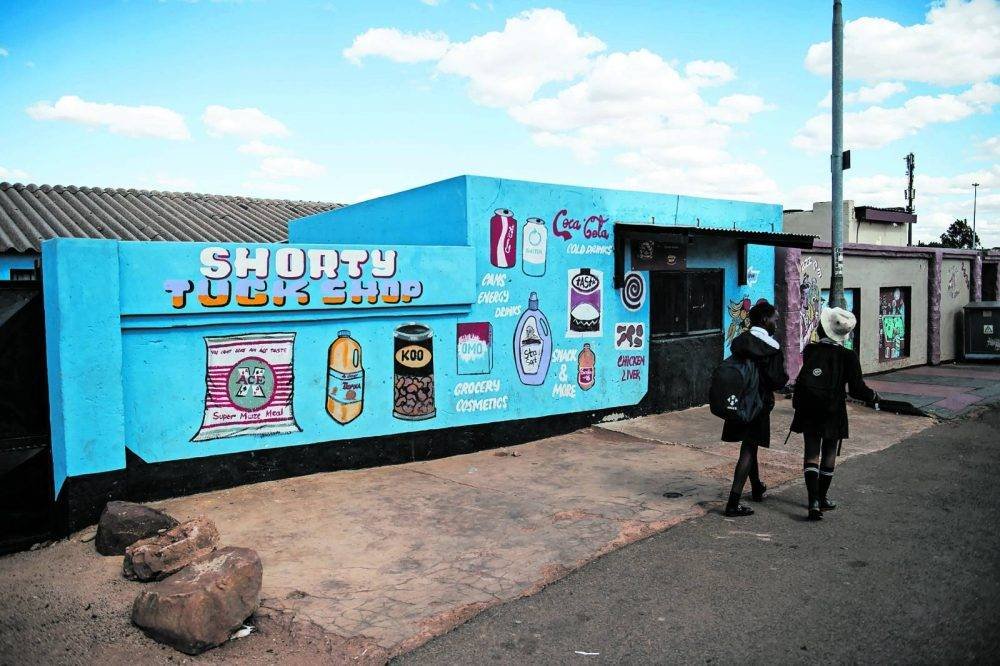
For over a decade, South Africa’s township economy has been a symbol of resilience, entrepreneurship, and community empowerment. Yet, beneath this vibrant surface, a disturbing trend has emerged: foreign nationals are increasingly taking control of the township grocery market, especially the spaza shop sector, to the point where in some areas, they operate more than two-thirds of these vital community outlets. What is most alarming is not only their overwhelming dominance but also their growing arrogance and ruthless tactics to maintain control.
Reports of foreigners intimidating local entrepreneurs, threatening violence, and even kidnapping those who refuse to sell their outlets have surfaced with disturbing frequency. Such acts of intimidation are a blatant violation of basic rights and an assault on local economic sovereignty. The failure of the authorities to intervene decisively in these cases emboldens these cartels further and leaves local entrepreneurs vulnerable to exploitation and violence.
Beyond intimidation and violence, there is a darker side to this foreign dominance. Many of these businesses engage in unethical practices with impunity, including poisoning products, selling expired or contaminated goods, and distributing substandard foodstuffs. Shockingly, some produce drinks and food items in unhygienic conditions – such as toilets or makeshift, unsanitary spaces – posing severe health risks to consumers.
Read Full Article on Mail & Guardian
[paywall]
These products often go undetected due to weak regulatory oversight, endangering public health and eroding trust within communities. The proliferation of foul products – ranging from contaminated food to counterfeit household items – further undermines safety and trust in local commerce. Yet, regulatory agencies often turn a blind eye, either overwhelmed or unwilling to enforce standards, allowing these illicit activities to continue unchecked.
The township economy is a vital, parallel sector estimated to be worth around R900 billion annually. It supports nearly a third of South Africa’s population – between 15 and 21 million people – who depend on it for livelihoods, goods, and services.
[/paywall]
All Zim News – Bringing you the latest news and updates.
