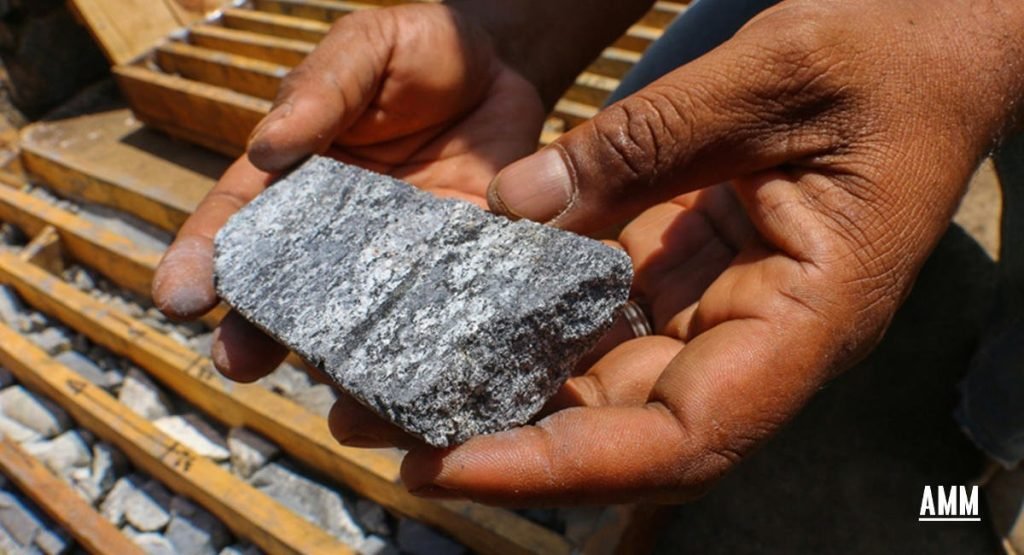
Malawi’s mining boom beckons, but the United Nations warns that without ironclad governance, surging investor interest could trigger “elite capture” and conflict, cautioning that transparency is vital to prevent wealth from fueling instability. “Elite capture” occurs when powerful local figures or companies divert these riches for personal gain, leaving the general public with little more than environmental damage. The UN’s warning comes amid accelerating investment interest, with the country emerging as a new frontier for regional and global firms actively exploring rare earths, uranium, gemstones, and other minerals.
In its Common Country Analysis, published in March 2026, the UN views the discovery of critical minerals as a transformative signal, “reshaping prospects for rural mining communities” while expanding revenues and attracting foreign direct investment (FDI). The analysis observes that this momentum is driven externally by the global demand for decarbonisation minerals and internally by Malawi’s strategic push to diversify its economy beyond agriculture. “If sequenced and governed effectively, mining offers a pathway to export diversification and industrial clustering, positioning the sector as a cornerstone of long-term economic transformation,” the report reads.
The report prepared by UN Malawi notes that despite this optimistic outlook, persistent infrastructure gaps in power and transport, limited regulatory capacity, and financing constraints continue to slow the pace of development. Structurally, the report suggests that mining could redefine the country’s growth model by forging upstream and downstream linkages to diversify the economy and create jobs. However, progress remains fragile.
[paywall]
The industry’s share of GDP fell from 10 percent in 2012, with Kayelekera contributing 50 percent of that, to less than 1percent in 2014 following the closure of the Kayelekera uranium mine, slipping further to just 0.7percent by 2024. Looking ahead, the government’s 2025 Annual Economic Report projects a modest rebound, as the sector was forecast to expand by 6.3percent in 2025—driven by construction demand and the planned restart of Kayelekera. Yet, the UN warns that persistent weak governance and infrastructure gaps risk “elite capture” and could stifle growth.
The report cautions that without strong governance, environmental safeguards, and local inclusion, the sector risks “enclave development,” leading to environmental degradation, price volatility, and rising inequality. Enclave development refers to when a mine builds its own roads, power, and schools that only serve the mine, while the surrounding areas remain in poverty with no connection to the new wealth. According to the UN, these risks highlight the urgent need for resilient institutions and inclusive frameworks.
[/paywall]
All Zim News – Bringing you the latest news and updates.
