As climate change continues to disrupt rainfall patterns across Zimbabwe, smallholder farmers are increasingly turning to agro-ecology, a farming approach rooted in indigenous knowledge, to cope with recurring droughts, floods and cyclones. Once dismissed as outdated, the practice is now gaining renewed attention as conventional farming methods struggle under more frequent and severe climate shocks, particularly in rural areas where agriculture is largely rain-fed. “Agro-ecology is just a sustainable farming method.
We have given it an English term, but these are actually the ways we have traditionally used to grow our food,” he said. “It seeks to replicate a closed-loop system where we work with nature and naturally available materials to produce food and become resilient to the changing climate.” Zimbabwe has experienced increasingly erratic rainfall in recent years, with prolonged dry spells alternating with destructive floods and cyclones. These changes have hit smallholder farmers hardest, undermining crop yields and food security.
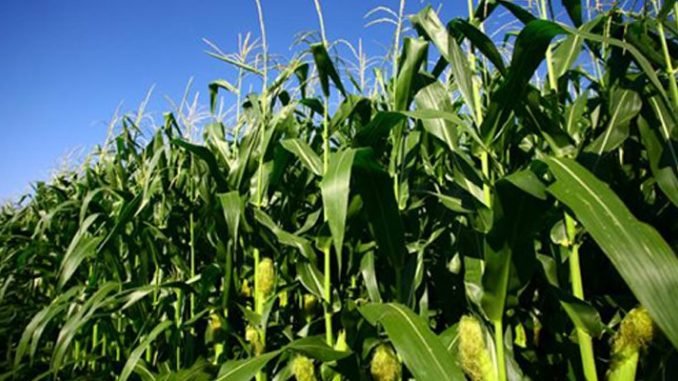
Salani said agro-ecology had become increasingly important as conventional farming systems, particularly maize monocropping, continue to fail under shifting weather patterns. “If you look at our rainfall patterns, they have been changing, droughts season after season, floods and cyclones,” he said. “These challenges affect especially smallholder farmers in rural areas, so we need to find ways to survive.” One of the key practices under agro-ecology is soil moisture conservation, which is critical in drought-prone regions.
[paywall]
Farmers use grass and crop residues to cover seedbeds, reducing evaporation and retaining moisture in the soil. “We practise soil moisture conservation by covering our gardens and seedbeds using materials we already have in our communities,” Mr Salani said.
[/paywall]
