Over the past year, I stood on construction sites before ground was broken, walked through malls on opening day, debated affordability and the housing crisis with experts, and watched entire towns change almost in real time. It was not a boom year, but it was not a bust year either. It was a busy year forreal estate.
I like to think of it as the year real estate recalibrated. Let’s start with the obvious. TheWestern Caperemained the most talked-about province in my inbox and on my feeds.
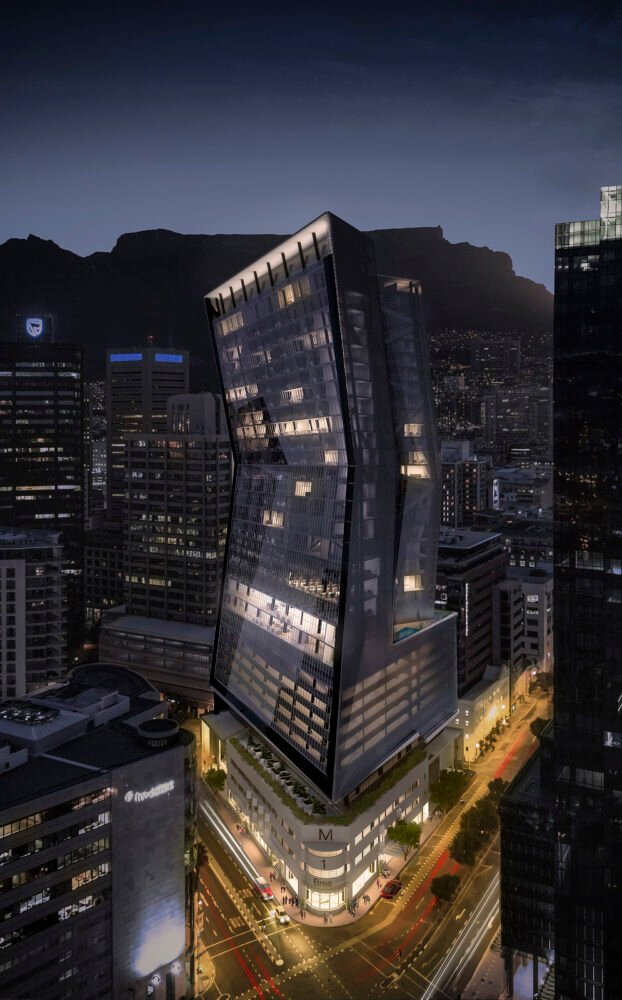
From record-breaking mansion sales in Clifton to the V&A Waterfront’s land reclamation expansion, the development of the Cape Winelands Airport and the breaking ground of Cape Town’s second-tallest skyscraper with 270 residential apartments and 505 hotel rooms, Cape Town was undeniably cooking. Beyond the city bowl and the Atlantic Seaboard – Paarl, Stellenbosch, Somerset West, and the broader Winelands continued their upward march, not because property suddenly became cheap or easy but because demand did not let up. Semigration is no longer a buzzword.
Read Full Article on Mail & Guardian
[paywall]
It is baked into pricing, planning and development pipelines. Lifestyle estates exploded, particularly those offering security, work-from-home infrastructure, nearby schools, and a sense of managed living. Tired but resilient South Africans are craving stability and predictability and that demand is reshaping where and how we build.
Cape Town itself remained constrained, with plenty of pressure on infrastructure and services that were already under too much pressure. Supply stayed tight, and land prices followed suit. These pressures showed up in pricing and rentals, and increasingly in debates around affordability and inclusion.
The City has land, with more than 50 properties expected to go to market early next year, yet affordable housing delivery still lags. The gap remains in execution at speed. Projects such as the sale and development of the Good Hope Centre precinct signalled ambition, while conversations about the sale of the profitable CTICC exposed a deeper tension.
Cities want growth but also need cash to maintain infrastructure and deliver services. Selling City-owned assets remains one of the most uncomfortable conversations in local government. While the Western Cape hogged the headlines, Gauteng quietly got on with it.
Data has shown renewed confidence, particularly in Tshwane and parts of Johannesburg. Bryanston, Rosebank, Midrand and nodes close to transport and mixed-use precincts performed better than many expected. What stood out to me was how well smaller boutique, well-located projects with clear target markets sold.
Investor appetite for high-quality residential projects in excellent locations remained strong. And after years of waiting, we finally saw cranes return to Sandton. Olympus breaking ground was a genuine confidence boost for Johannesburg.
Two towers, 529 residential units, retail and a five-star hotel component, developed by Tricolt in a joint venture with Growthpoint Properties. With over R1.2 billion in sales already achieved, it sent a clear message that Jozi is still very much in the game – and we love to see it.
[/paywall]
