
In an industry where genre experimentation is often limited by resources and infrastructure, The Last Roadblock stands out as a bold and purposeful intervention in Malawian cinema. Conceived as an action film with a clear social mandate, the project was driven by a desire to confront the urgent and often underrepresented issue of human trafficking. By adopting the language of action cinemaâurgency, danger, pursuit, and confrontationâthe filmmakers sought to move beyond passive awareness and instead immerse audiences in the lived realities of the crime. The result is a film that positions spectacle not as an end in itself, but as a vehicle for education, prevention, and national reflection.
This interview engages the filmmaker behind The Last Roadblock in a candid conversation about the creative risks, technical constraints, and ethical commitments that shaped the project. Drawing from a production process marked by limited funding, logistical complexity, and improvised solutions, the discussion explores how the film was realized across multiple locations, languages, and exhibition platforms. It also examines the filmmakerâs conscious effort to balance narrative clarity with action, ensuring that the message about human trafficking remained central despite the demands of the genre. Together, these reflections offer insight into what it means to pioneer action cinema in Malawi under constrained yet determined conditions.
1. The Last Roadblock represents a move into the action genre, which remains largely uncharted in Malawian cinema. What inspired you to take this direction at this stage of your filmmaking career?

The primary motivation behind The Last Roadblock was to raise awareness about human trafficking. We believed that action cinema provided the most effective and engaging way to present this issue, as it allows audiences to visually experience the danger, urgency, and reality of human trafficking rather than just hearing about it.
2. Having directed other films before, how did this project challenge you differentlyâboth creatively and technicallyâcompared to your previous features?
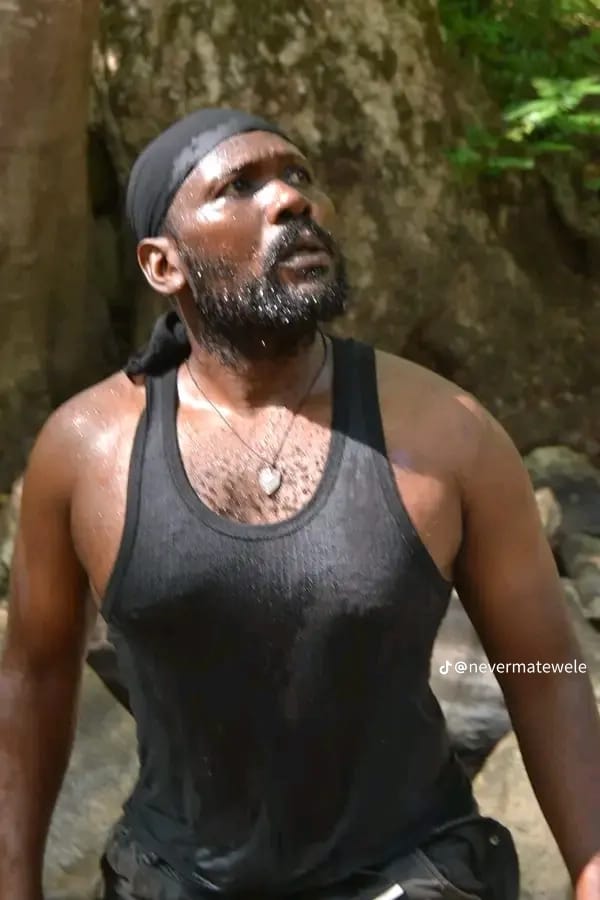
This film demanded significantly more resources than our previous projects. We required multiple locations to serve the story and also to promote Malawiâs tourism potential. Action films rely heavily on diverse and convincing locations, which increased both logistical complexity and budget requirements.
3. Can you explain the meaning behind the title The Last Roadblock and how it connects to the filmâs core themes?
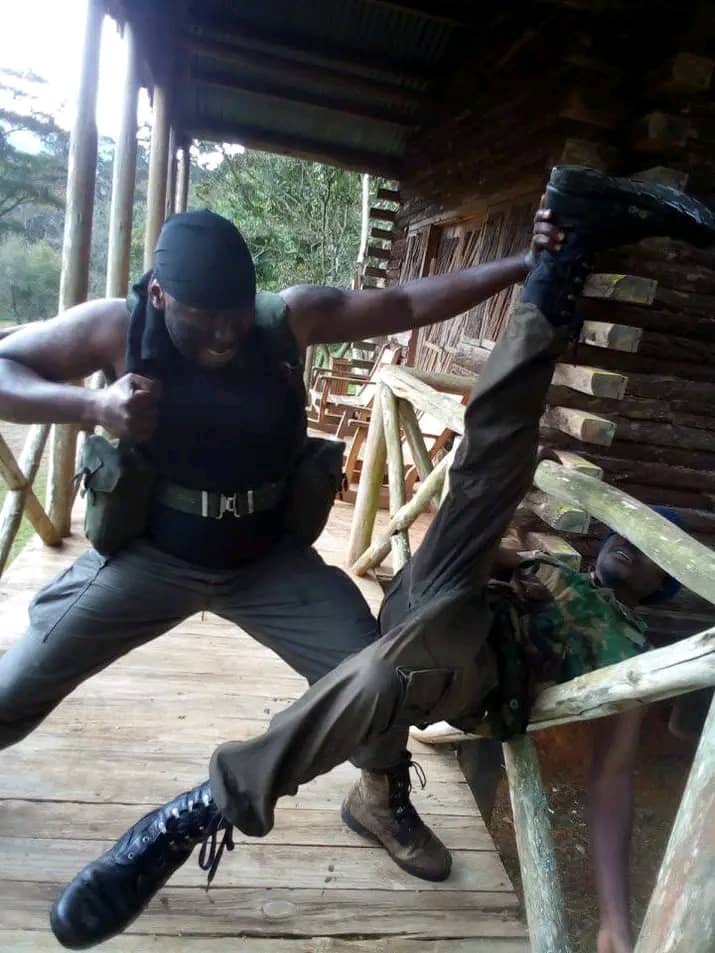
The title symbolizes the countryâs final stand against human trafficking. In the film, the main antagonist is intercepted at the last roadblock, representing the ultimate effort to stop the crime before irreversible damage is done.
4. Action cinema often prioritizes spectacle. How did you ensure that character development and storytelling were not overshadowed by action sequences?
The action elements were meant to enhance the story, not overshadow it. We deliberately included scenes that clearly explain what human trafficking is, how it happens, and how it can be prevented, ensuring that the message remained central to the film.
5. What were the most significant production and logistical obstacles you encountered while filming action scenes in Malawi?
Lack of funding was the greatest challenge. Every aspect of productionâfrom securing locations to post-productionârequires financial support. Additionally, the absence of high-end equipment such as professional cameras and powerful computers affected the overall quality. Action filmmaking is particularly demanding, which is why very few filmmakers in Malawi attempt it.
6. Could you discuss the technical decisions you made regarding cinematography, lighting, sound, and editing to effectively deliver action with limited resources?
Despite limited resources, we assigned specific roles to different crew members to ensure efficiency and focus. Proper coordination and teamwork helped us maximize what little we had.
7. How did you approach stunt work, fight choreography, and safety, given the absence of a well-established action filmmaking framework locally?
Read Full Article on Malawi 24
