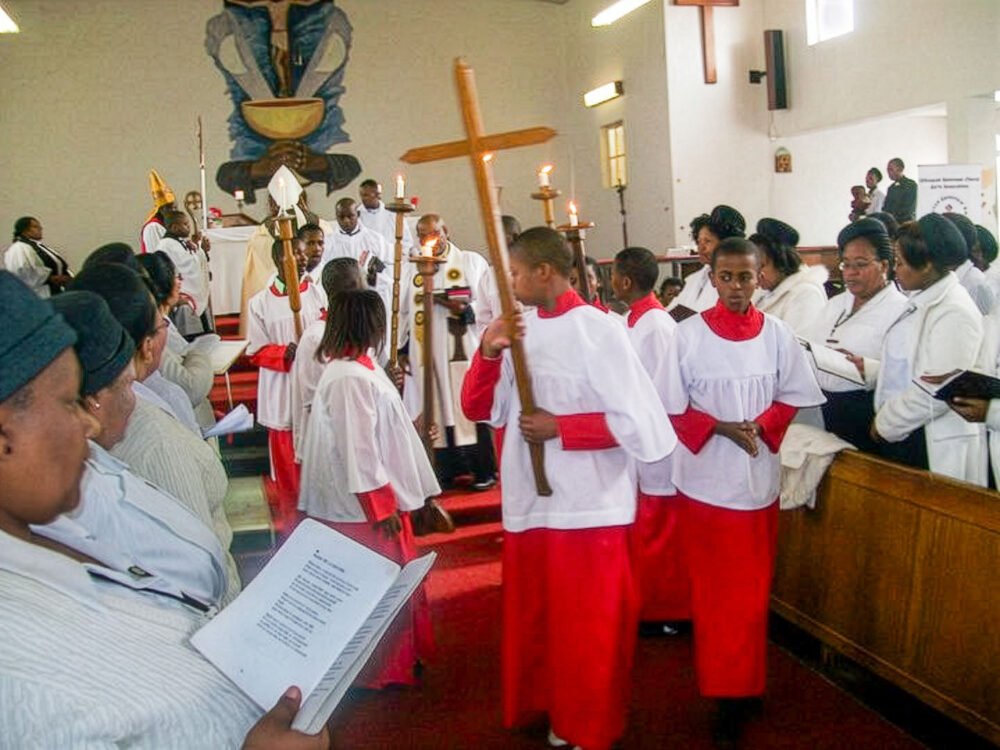
The Easter festival day, when Christians celebrate the resurrection of Jesus, is as old as the resurrection faith itself — the very foundation of the Christian faith. Christians believe that Jesus was sentenced to death and executed by crucifixion for the salvation of humanity and all creation, on the day we commemorate as Good Friday. Good Friday is the moment when Christ, in his pain, identifies with the pains of the people and atones for our sins.
Believers surrender their sinfulness and place their miseries, pains and woundedness onto his outstretched arms. Christians also believe that he rose from the dead on the “first day of the week”, Sunday. From about the middle of the first century, Christians were recognising Sunday as a holy day, the Lord’s Day, to celebrate Christ’s resurrection — the anchor of their faith.
This is what made Sunday the day of Christian worship. From about the second century, while the Christian faith was still underground and not legally recognised, Christians went beyond the weekly observance of the resurrection and began an annual observance. The final fixing of the Easter festival protocol and its dating was done after the legalisation of Christianity at the Council of Nicaea in 325.
Read Full Article on Mail & Guardian
[paywall]
This included the recitation, through scripture, of the known salvation history up to the Christ event and how it heals and restores the relationship between humanity and God through the life, death and resurrection of Jesus. My love affair with Easter was nurtured by my love for church choral music and some of the best hymns, for me, have always been Easter hymns. But as I learned more from the Black Theology project of Black Consciousness about the theological claims of the human person created in the image of God, regardless of race and gender, I realised the blasphemy of apartheid, which undermined the fullness of the humanity of black people.
As I began to interrogate the relationship between the black experience under apartheid and the Christian faith, Easter became a point of focus. I saw it as a celebration of a seminal event for the faith: the resurrection of Jesus. From this, I began to examine and more purposefully interpret my church experience.
I learned more about the idea of God as a God of love and justice and the death and resurrection of Jesus as the practical manifestation of that. A core question for me, which ultimately led me to enter seminary and theological studies, was: “What does it mean to be created in the image of God if I am black in apartheid South Africa?”
[/paywall]
All Zim News – Bringing you the latest news and updates.
