Seven-year-old Shamila Lewis had just returned from school around 3pm when a stray dog bit her calf muscle, wrist and finger.
The Standard Three pupil at Chibavi Primary School in Mzuzu had barely sat down to take his meal when the dog charged.
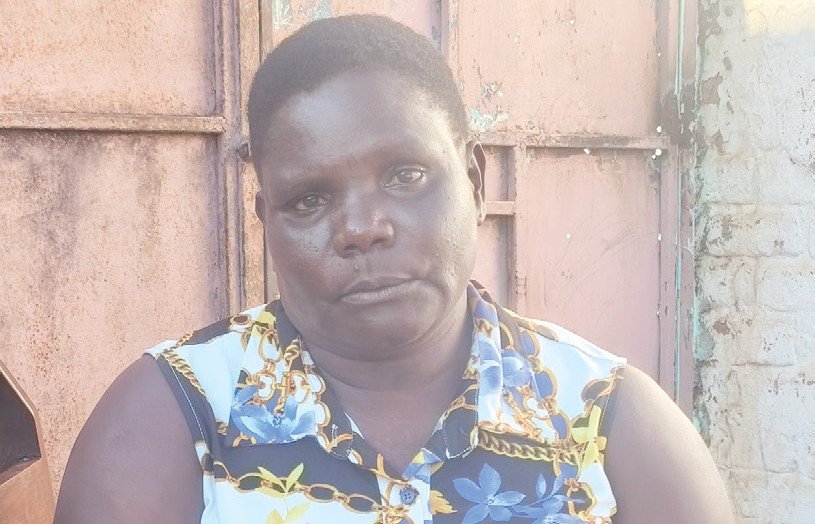
“She screamed for help,” recalls her grandmother Mary Kholiyo. “A good Samaritan stoned and chased the dog away, cleaned the wounds and took her on a bicycle to my workplace.”
Kholiyo had raised Shamila since she was three.
She took the girl to Mzuzu Urban Community Health Centre, where medics gave the patient Panadol painkillers.
Kholiyo did not know that her grandchild had contracted rabies, a virus transmitted through the saliva of infected animals.
The virus is fatal unless dog bite victims seek treatment before symptoms appear.
For Shamila, help came too late to av
ert the deadly disease that claims a life every nine minutes globally.
Kholiyo recalls: “Health workers asked whether the dog had been vaccinated, but I didn’t know whose dog it was.
“They gave her Panado and told us to visit a veterinary office the next morning.
“That evening, children in the neighbourhood identified the dog, but the owner produced old vaccination papers and gave us K5 000 for transport. The woman disappeared when veterinarians required her to bring the dog for assessment.”
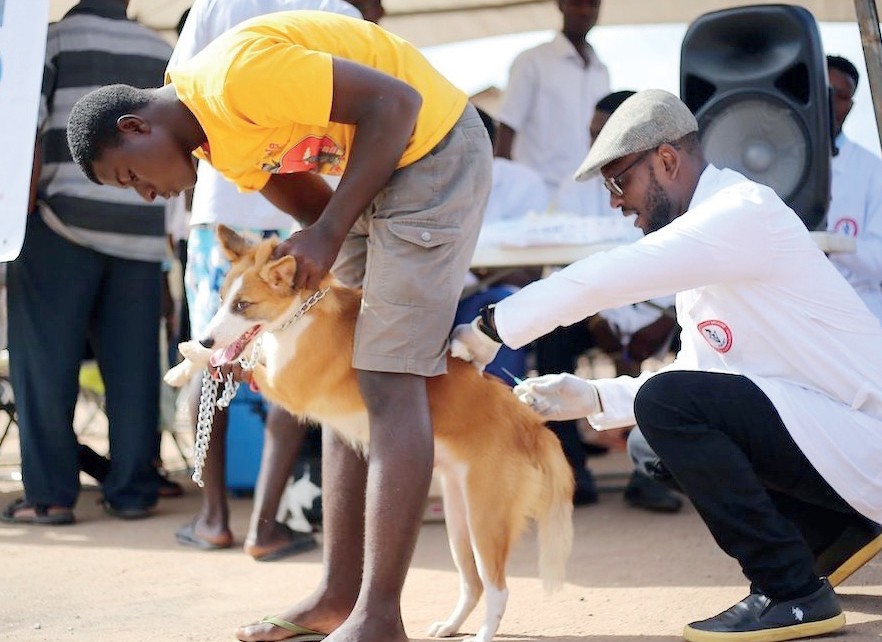
National guidelines require veterinarians to assess the dog to determine whether a patient needs an anti-rabies vaccine.
Back at the hospital, Shamila only received a tetanus injection.
Mzuzu regional veterinary laboratory officer Sam Mvula says animal health staff observe the suspected dog for two weeks while the patient receives wound care.
“A rabid dog dies or develops signs of rabies within 14 days,” he says. “If it does, we immediately inform the hospital to treat the bite as a rabies case.”
All Zim News – Bringing you the latest news and updates.
