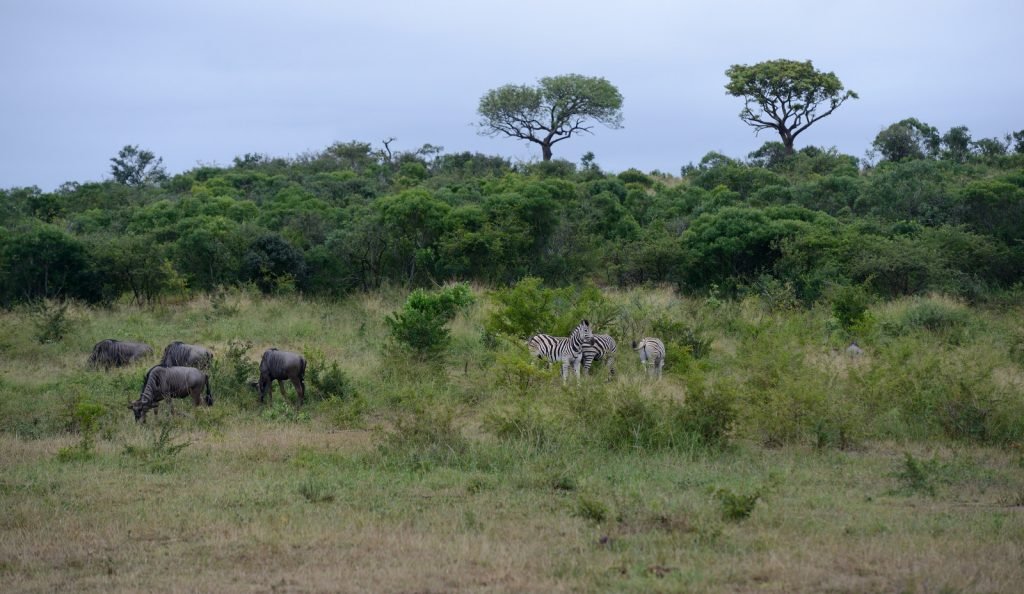
Sub-Saharan Africa has already lost nearly a quarter of its biodiversity since pre-industrial times, according to a major new African-led study. Theresearch, published on Wednesday inNature, found that on average, populations of plants and animals across the region have declined by 24%, with some species — especiallylarge mammals— suffering far more severe losses. Yet the analysis also delivers a crucial insight: more than 80% of the region’s remaining wild plants and animals persist outside formally protected areas, surviving instead in largely untransformed natural forests and rangelands, where people coexist with and depend on biodiversity.
“Conserving and restoring biodiversity, while working towards just and sustainable development, requires a focus on these working lands that sustain more than 500 million people,” said the study, which represents the most comprehensive assessment to date of biodiversity intactness in sub-Saharan Africa. Its strength lies in an unprecedented collaborative approach: over five years, a team of 200Africa-based experts– including researchers, field ecologists, rangers, tour guides and museum curators – pooled their ecological knowledge to build a continent-wide picture of biodiversity change. “Many global biodiversity assessments do not represent African conditions well because they rely on sparse local measurements and draw insights from more data-rich regions of the world, where contexts are very different,” said the study’s lead author,Hayley Clementsfrom Stellenbosch University’sCentre for Sustainability Transitions(CST).
Their assessments underpin a new continent-wideBiodiversity Intactness Index(BII), which measures the percentage of original species abundances that remain compared with pre-industrial levels. African countries often lack fine-scale biodiversity data for policy and planning, while global models frequently mischaracterise regional patterns. For the first time, governments and regional bodies have access to an indicator built on in-country ecological expertise.
Read Full Article on Mail & Guardian
[paywall]
The study shows striking variation across regions, ecosystems and species groups. Disturbance-tolerant plant species have declined by as little as 10% but large mammals — including elephants, lions and several antelope species — have lost more than 75% of their historical abundance. This is driven mainly by habitat loss to croplands, unsustainable harvesting and intensive grazing.
[/paywall]
