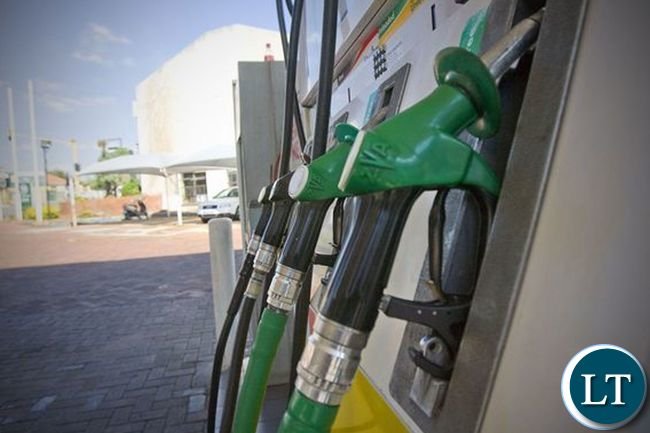
A Lusaka based Economist has attributed the reduction of pump prices for February to stronger Zambian Kwacha against the dollar, combined with easing international oil prices. Mr Kelvin Chisanga explained that the reduction follows the Kwacha appreciation of over 10 percent against the US dollar in January 2026, which significantly lowered the landed cost of imported petroleum products, alongside softer global oil prices. In a statement made available to the media, Mr Chisanga said the outcome deeply demonstrates the effectiveness of Zambia’s market-based fuel pricing mechanism, which transparently links domestic prices to external cost drivers.
He added that the lower fuel prices are disinflationary, easing transport and logistics costs and helping to moderate non-food inflation. “Households benefit through reduced transport expenses, while businesses particularly in transport, agriculture, mining and manufacturing gain from lower operating costs and improved margins,” Mr Chisanga said. Mr Chisanga observed that the reductions were achieved in previous months without fuel subsidies, reinforcing fiscal discipline and policy credibility.
He however indicated that sustained stability will depend on exchange rate strength, foreign exchange liquidity and continued policy interventions as well as continuous investment in fuel supply infrastructure. Effective 1 February 2026, petrol will be selling at K27.88 per litre, down from K29.92, diesel at K24.50 per litre, from K25.11, kerosene at K22.24 per litre, from K23.88, while Jet A-1 is priced at K23.80 per litre, down from K25.53.
Read Full Article on Lusaka Times
