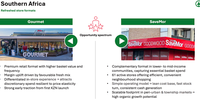
Following a challenging European departure and statutory losses, SPAR will begin 2026 streamlined, more concentrated, and prioritising premium food and store formats to re-engage the middle-to-upper-tier consumers it has been forfeiting. SPAR’s 2025 results landed with a thud that investors felt in their teeth. A total comprehensive loss of R5.1-billion for the 52 weeks to September and another year without a dividend.
Inside SPAR, though, the message is that this was a cleanup year. “Our story in 2025 is simple. We went back to our core distribution excellence that empowers independent retail.
We simplified the group through strategic disposals. We reduced debt and removed distractions,” CEO Angelo Swartz told investors at the company’s annual results presentation. Simplification is only part of it.
Read Full Article on Daily Maverick
[paywall]
Swartz told Daily Maverick that SPAR was changing how customers understood the brand. For decades, the same “SPAR” signage appeared in vastly different socioeconomic areas, making it difficult to communicate differentiated value. He said the current shift was about aligning what the consumer saw with what they could expect inside the store.
“Many of our stores already offer gourmet-type offerings,” he said, pointing to outlets in Cape Town like Sea Point and Cape Quarter. The new format allowed Spar to make that distinction explicit and tell its premium story, while freeing the core SPAR banner to speak more directly to price-focused shoppers. One of SPAR’s most significant moves this year was closing out its long-running difficulties in Europe.
The exit began in Poland, where a recapitalisation before the sale generated a significant loss. Switzerland followed in September after years of underperformance worsened by high cross-border shopping and the effects of a cyberattack. The UK business remains held up for sale.
Together, these discontinued operations produced losses of R5.6-billion. “The sale of Poland and Switzerland has resulted in a much simplified group,” CFO Reeza Isaacs said. “These business did not fit the investment thesis of the group and were a drag on not just capital and returns, but also management time.”
[/paywall]
