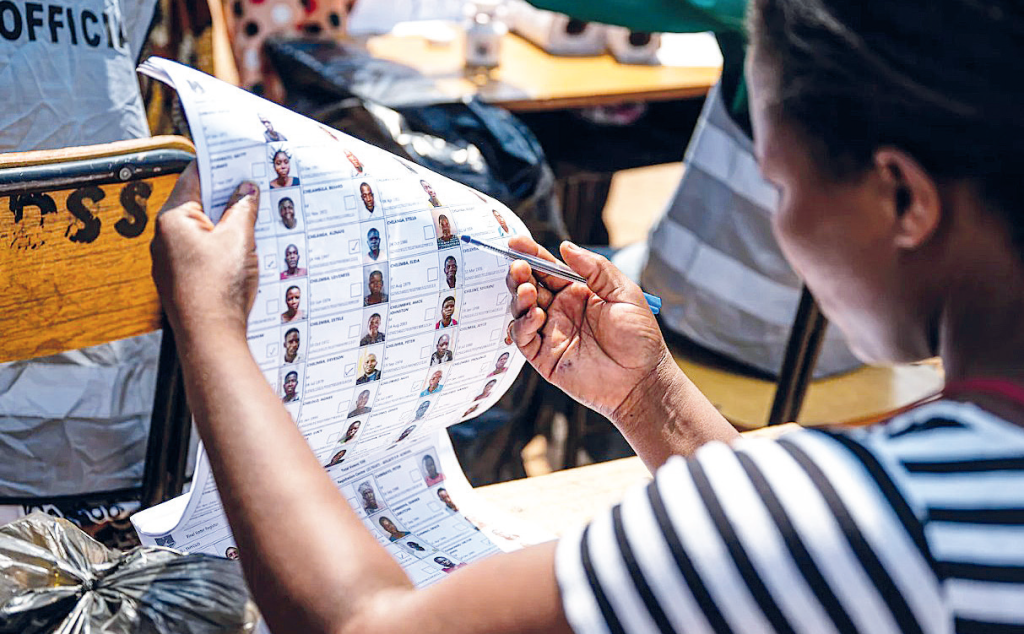
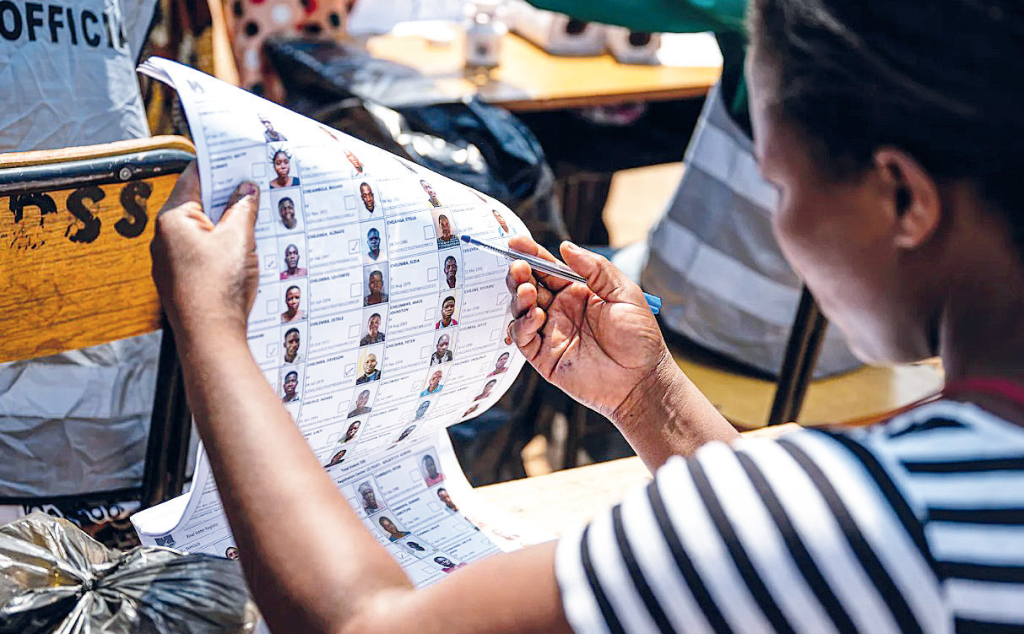
The Malawi Electoral Commission is once again on the move, preparing for parliamentary and local government by-elections set for 17 March 2026 in five constituencies and nine wards. The calendar is clear, the regulations are firm, and the roadmap is familiar. Yet the most predictable feature of Malawi’s by-elections remains the silence.
Turnout in recent contest s has sagged between 17 and 40 percent, with only a few breaking 50. In Kaporo and Chilanga Wards in Karonga, about 70 percent of eligible voters stayed home; in Rukuru Ward roughly 76 percent did not show up; in Zomba’s Mtiya Ward the figure rose to 82.8 percent; and Dedza Central’s parliamentary by-election attracted barely a third of registered voters. These numbers are not mere statistics—they signal a democracy that roars during general elections but whispers when it needs local participation most.
This is not a story of a disengaged nation. When stakes feel national, Malawians respond with power. The 2025 general election saw a strong 76 percent turnout, driven by intense mobilisation and a hunger for accountability amid economic strain. But the energy that electrifies national contests rarely trickles into the micro-election. Where a general election feels like a national reckoning, a by-election often feels like a marginal footnote. The long-term trends highlight that contrast: strong national turnout in 1999, generally healthy rates in 2014 and 2019, and another surge in 2025— set against by-election participation that routinely collapses into the low thirties or teens.
History plays its part . Malawi’s early experiences with decentralisation left scars. The first local government elections in 2000 recorded a painfully low 14 percent turnout. A long period without local polls from 2005 to 2014 weakened the habit of local participation. When voting does not become routine, abstention quietly becomes the norm. Many ward by-elections still bear that chill, especially where citizens doubt that councillors can deliver services or where MPs appear distant once elected.
But the present matters too. In 2025, civic education was poorly funded, leaving many accredited organisations unable to reach voter s ef fect ively. Whi le the national mobilisation was strong, many citizens still struggled with basic voting mechanics, leading to void ballots and confusion. If education falters when the whole country is paying attention, the gaps are even deeper in by-elections where information rarely reaches every household. Citizens miss registration windows, misunderstand procedures, or conclude their one extra vote will not change anything.
In many communiti es , by-elections also feel predictable. In strongholds where outcomes seem predetermined, people often choose not to spend time or money reinforcing what they believe is already decided. And when tensions arise—over candidate eligibility, par ty disputes, or perceived unfairness—voters withdraw. Karonga’s March 2024 by-elections, for instance, carried an atmosphere of imbalance for some; regardless of the merits, the public perception for many was exclusion rather than invitation.
Trust remains the hinge. Malawi’s 2019 judicial annulment revived hope in electoral justice, and reforms have strengthened credibility. Yet doubt still lingers among citizens, especially in smaller contests where vi

sibility is low. A by-election is vulnerable to apathy, and any uncertainty about whether a vote will truly count is enough to tip turnout into silence.
These patterns are not uniquely Malawian. Across the region, by-elections struggle to excite voters. South Africa’s ward by-elections typically draw modest turnout even as national contests dominate attention. Kenya’s 2022 elections revealed deep youth disengagement, and Zambia continues facing turnout challenges in both registration and by-elections. Apathy, if ignored, spreads slowly but steadily.
The consequences of staying home are immediate. Representation becomes thinner. A councillor elected by only 20–30 percent of voters may be legally legitimate, but their practical mandate is fragile. Communities that do not vote lose their voice, leaving decisions and budgets shaped by those few who show up. Governance then drifts; by-elections are not minor events but essential mechanisms to keep institutions accountable between general elections. And the old paradox remains true: bad leaders are chosen not by those who vote, but by those who do not.
Above all, voting is both a right and a duty—no less significant in a ward than in a national race. The Constitution makes no hierarchy of votes. A ballot cast in a by-election helps repair gaps in representation and keeps democracy alive between its larger moments. A single by-election can determine which village gets a borehole repaired, which school receives more classrooms, or whether a clinic is properly staffed.
The hopef ul news i s t hat apathy can be reversed. Practical interventions before March can restore momentum. Information must be hyper-local: dates, candidate lists, and polling-centre details delivered through community radio, market criers, faith gatherings, and SMS trees. Loud-hailers should roam early mornings and evenings. Door-to-door mobilisation—led by trusted local figures, not distant party officials—can revive personal connection.
Civic education must become vi s ible and interactive. Mock elections in markets can reduce void votes. Community radio debates can help voters judge candidates beyond slogans. Roadshows with music, theatre, and dance can blend enter tainment and education. Football bonanzas and music festivals attract youth while delivering reminders about the stakes of voting. Mass rallies infused with drama, poetry, and comedy make civic messages memorable.
Political parties must invest in genuine listening, deploy respected local influencers, and embrace transparency. Accessibility matters too: mobile polling in hard-to-reach areas, additional stations to reduce queues, and clear signage to make polling spaces welcoming.
Most crucially, results must be transparent. Quick publication of ward-level tallies, copies displayed at stations, and visible chains of custody help voters trust that their ballot travels faithfully from mark to announcement. Confidence is the soil in which turnout grows.
Malawi has already shown it can roar when it matters. The challenge is to ensure that the thunder of democracy sounds not only every five years, but every time a local seat falls vacant—because a quiet booth can delay development for an entire community. If we fund the messengers, simplify the journey, honour each mark, and fill the silence with conversation, creativity, and clarity, the empty booths will fill again—and by-elections will become the heartbeat that sustains democracy between its larger storms.
All Zim News – Bringing you the latest news and updates.
