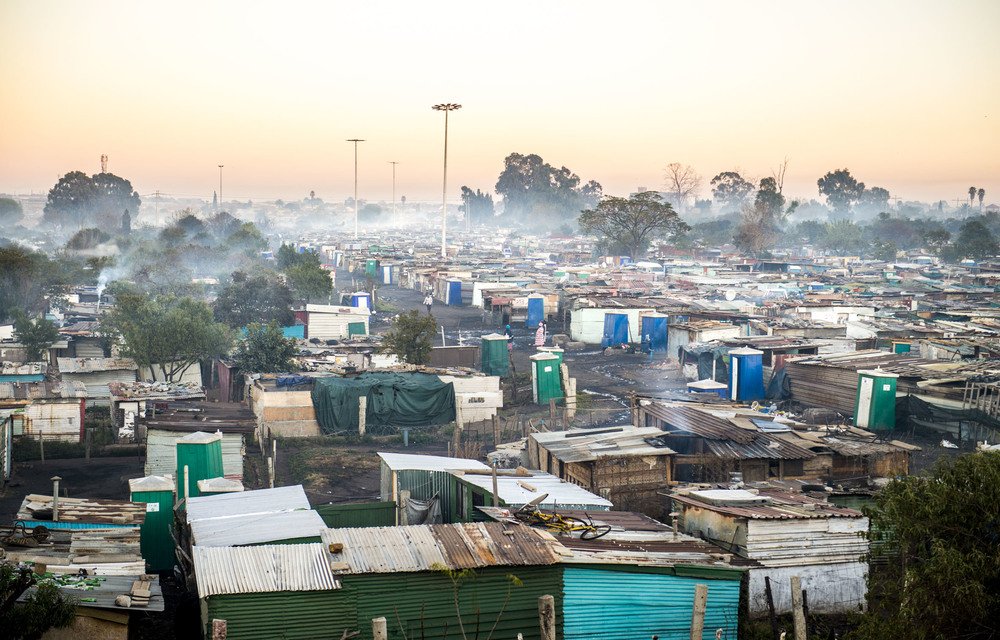
Air pollutionis contributing to higher rates of respiratory disease and tuberculosis (TB) in South Africa’s three declared air pollution priority areas, with children, youth and older adults facing the greatest risks, a new epidemiological study has revealed. Scientists from theSouth African Medical Research Councilion Tuesday presented the findings of their multi-site study conducted across theHighveld Priority Area(HPA), theVaal Triangle Priority Area (VTPA) and theWaterberg–Bojanala Priority Areaa (WBPA). The research, funded by theClean Air Fund, examined the association between ambient (outdoor) air pollution and mortality and morbidity across the country’s most industrialised regions.
The HPA includes Sedibeng and Gert Sibande, the VTPA covers Nkangala and Fezile Dabi and the WBPA comprises the Waterberg and Bojanala districts. The regions host coal-fired power stations, smelters, petrochemical plants and refineries alongside urban and peri-urban communities. They were all designated based on elevated pollutant concentrations and significant population exposure.
Presenting the findings, professorCaradee Wright, the chief specialist scientist at the MRC’s environment and health research unit, said pollution levels in many of the priority areas exceeded South Africa’snational ambient air quality standards, often in regions with high concentrations of vulnerable people. The key pollutants of concern includePM2.5(fine inhalable particles with diameters generally 2.5 micrometers and smaller), which are strongly associated with mortality and respiratory disease and nitrogen dioxide, linked to pneumonia and respiratory deaths. Sulphur dioxide and ozone showed highly seasonal and district-specific effects, with the greatest impacts observed in winter.
Read Full Article on Mail & Guardian
[paywall]
“The challenge here is that these areas have many vulnerable groups — children with pre-existing conditions like asthma, older adults with chronic illnesses, pregnant women and other populations in densely populated communities,” Wright said. “Children breathe differently to adults, so they experience air pollution in a different way. Older adults’ organs are under stress, so pollution adds an additional burden.” She highlighted a key finding typical of how air pollution affects health: for every 10 micrograms per cubic metre increase in PM2.5, the mortality risk rose by 14% to 19%.
“That is quite a lot,” Wright said. “That’s essentially between one in four, one in five people, being affected by exposure to particulate matter and having it associated with a death outcome. “There were stronger links with TB and pneumonia in relation to air pollution. Winter months are definitely the time where we see the highest burden,” she said.
[/paywall]
All Zim News – Bringing you the latest news and updates.
