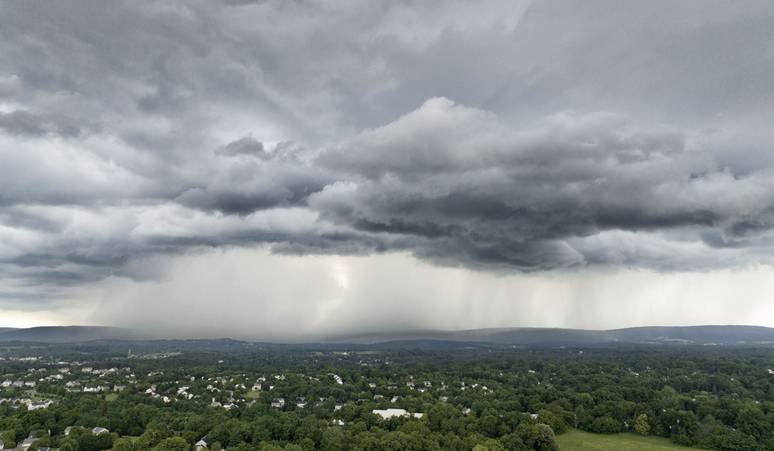
South Africa’s intensifying cycle of floods, wildfires and severe storms is forcing both government and business to rethink how the country prepares for climate-related disasters, with insurers increasingly positioning early warning systems as a frontline defence against mounting economic losses. On Thursday,Santamand theSouth African Weather Service(SAWS) announced a partnership aimed at strengthening the country’s weather forecasting and early warning capabilities through the installation of nine new automatic weather stations. The initiative comes as the country grapples with increasingly destructive weather events, including the devastating 2022 KwaZulu-Natal floods, as well as more recent deadly flooding in Mthata in the Eastern Cape last year and in Limpopo and Mpumalanga earlier this year.
Santam group chief executive Tavaziva Madzinga said the collaboration reflected growing recognition that climate-related disasters were no longer isolated events but an escalating economic and social risk. The SAWS was the only entity mandated to issue severe weather-related warnings over South Africa, he said. “By strengthening its observation and forecasting capabilities, we are helping to ensure that early warnings are accessible, credible and localised, so that South Africans can act before weather hazards escalate into disasters.” Madzinga noted that early warning systems should be understood as economic infrastructure rather than optional public services, arguing that earlier alerts could significantly reduce both human andfinancial losses.
“Simply put, early warning enables early action,” Madzinga said. “If people delay travel, secure property, move vehicles or protect agricultural assets based on credible early warnings, exposure is reduced and losses are minimised.” The partnership also highlights how climate change is reshaping the insurance industry. As weather disasters become more frequent and more costly,insurers face rising claims linked to flooding, fires and storm damage, while governments are left grappling with ballooning reconstruction costs.
Read Full Article on Mail & Guardian
[paywall]
For South Africa, the pressure is particularly acute. Repeated flooding in KwaZulu-Natal, Mpumalanga and parts of Limpopo has exposed weaknesses in disaster preparedness systems, while fires and severe storms continue to threaten infrastructure, agriculture and households. SAWS acting chief executive Jonas Mphepya described the partnership as a practical example of how public-private collaboration could strengthen national resilience.
[/paywall]
All Zim News – Bringing you the latest news and updates.
