Sustainable development goal 7 (SDG 7) envisionsuniversal accessto affordable and clean energy by 2030 — a key driver of communities’ health, well-being and sustainable development. However, as noted by the United Nations, progress remains slow, with a significant part of the world’s population, particularly in sub-Saharan Africa’s rural communities, still lacking reliable access to this critical resource. Findings from October 2025 fieldwork supported by theSouthern Africa Trust(SAT) and undertaken byGood Governance Africa(GGA) and the Centre for Natural Resource Governance (CNRG) in Zimbabwe’s Mbire and Muzarabani districts underscore the depth of these challenges.
This research sought to ascertain rural communities’ experiences in navigating everyday energy needs amid rapidly shifting trends driven by climate change and the global energy transition. The Mbire and Muzarabani districts are located in Zimbabwe’s Mashonaland Central province. In this region, Australian company Invictus Energy is exploring forpotential oil and gas reservesestimated at 9.25 trillion cubic feet of gas and nearly 300 million barrels of oil.
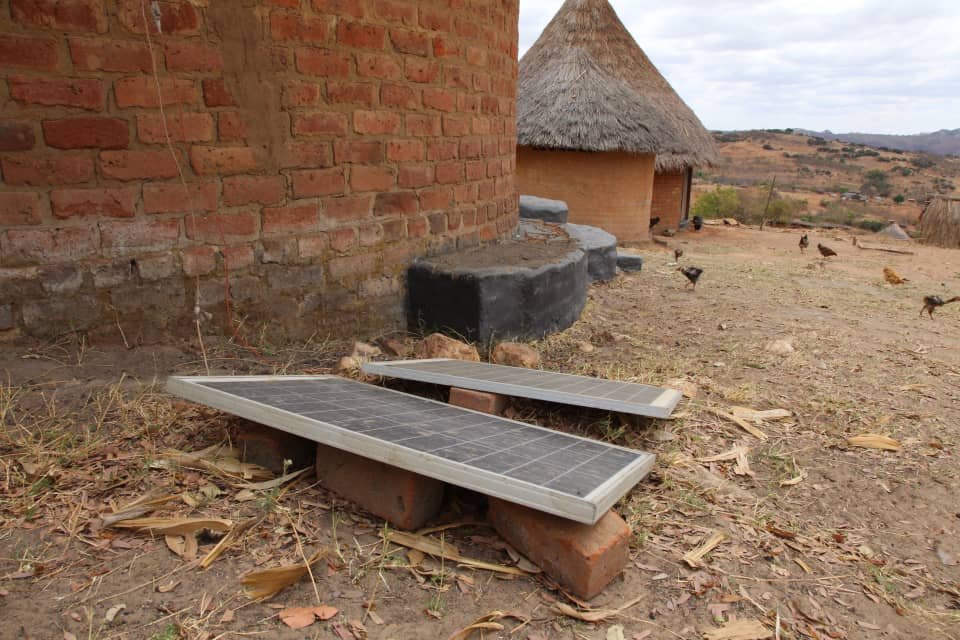
The research findings highlight critical, community-centred insights for government and investors to build more inclusive and robust benefit-sharing frameworks with host communities. Focus group discussions and key informant interviews revealed that sustainable, clean household energy options are limited, with energy use mainly determined by what is within reach and affordable for each household. Communities are creatively navigating their local experiences of the energy transition through various energy mixes to meet their cooking, lighting, heating and gadget-powering needs.
Read Full Article on Mail & Guardian
[paywall]
These sources include electricity from the national grid, solar energy, gas, coal and firewood. Electricity supply from the national grid was deemed unreliable because of persistent power cuts resulting from dilapidated infrastructure, faults and load-shedding. These findings resonate with the2024 Afrobarometersurvey, which highlights Zimbabwean citizens’ dissatisfaction with electricity provision.
Some key survey findings revealed that a “slim majority (52%) of Zimbabweans live in zones served by the national grid … [with] fewer than one in 10 rural residents (8%) connected to the grid, compared with a large majority (69%) of urban residents. “Among those who are connected to the grid, only four in 10 say their electricity works ‘most of the time’ (34%) or ‘all of the time’ (6%).”
[/paywall]
All Zim News – Bringing you the latest news and updates.
