When American actor Geri Jewell was diagnosed with cerebral palsy at just 18 months old, few could have imagined that she would become a trailblazing, award-winning prime-time television sensation. Similarly, My Left Foot autobiographer Christy Brown defied the odds to achieve international acclaim as one of Ireland’s most celebrated authors, painters, and poets. But many children with cerebral palsy in developing countries like Malawi are denied treatment, care and support, including access to education.
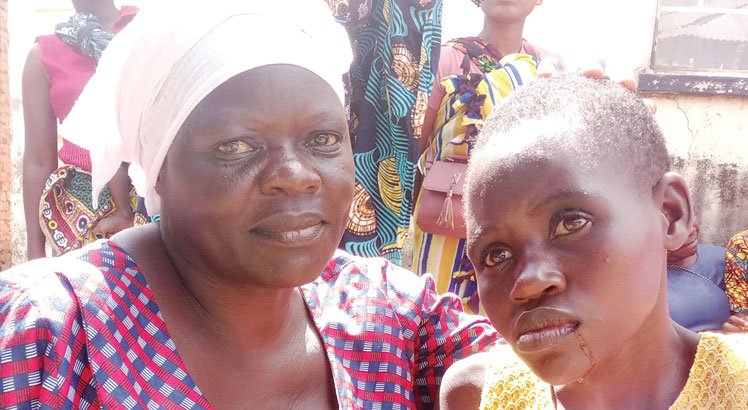
The painful reality is all too familiar to Harriet Mandala, 40, who raises her 11-year-old child with impaired muscle coordination and disabilities caused by brain damage at birth. The woman, from Traditional Authority Mwase in Kasungu District, states: “His peers are in Standard Five, but he has never stepped into a classroom. “We struggle to provide proper care for the child.” The family, which sells firewood, struggles to meet the child’s needs.
Similarly, Jessy Moyo, from the tobacco-growing district, has a 21-year-old daughter with cerebral palsy, seizures and gait disorder. She attended Chankhanga SOS Primary School in Kasungu, but dropped out due to mobility challenges. “It pains me that my child stopped going to school.
[paywall]
All she needs is a wheelchair,” says the mother. Some women suffer abandonment by men after birthing children with cerebral palsy. Instead of sharing responsibility, some men walk away or force the women out, accusing them of causing the disability.
Uhuru Child Care provides community-based rehabilitation services such as physiotherapy, counselling, transportation and medical support for rural families raising children with cerebral palsy and other neurological conditions in Kasungu. Mandala says the support has transformed her child’s life. “Twice a month, I bring my son for physiotherapy. I want him to go to school and live like other children.
[/paywall]
All Zim News – Bringing you the latest news and updates.
