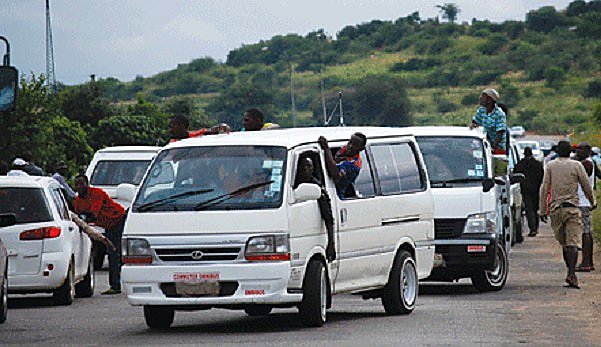
Source: CITE
Transport operator Richard Kureva, first kombi, a battered minibus, bought 25 years ago became a family lifeline. The transport business then was simple.
“When I started, operating costs were manageable and profits were predictable,” he said.
Today, Kureva and other public transport operators are facing ruin. Operating in an over taxed economy, transport operators in Zimbabwe have been hit by a new wave of taxes, a financial blow to bring them to a halt.
A new presumptive tax schedule announced in September 2025 by the Zimbabwe Revenue Authority (ZIMRA) is a heavy load for transport operators already announced presumptive taxes for public transport operators. Some of the levies are as high as US$500 per month for public transport operators, haulage companies, and driving schools. For many, the new taxes threaten profits and livelihoods.
The new presumptive tax schedule, outlined in Public Notice No. 51 of 2025 demands that kombis carrying between 8 to 14 passengers will now pay US$50 per month, while buses carrying 37 passengers or more will pay US$100 per month. Taxi operators face a flat US$35 monthly levy and driving schools must pay between US$50 and US$100 per vehicle while haulage trucks will pay even more: US$200 for vehicles over 10 tonnes and US$500 for vehicles exceeding 20 tonnes.
For Kureva, who chairs ZICOTO, a commuter omnibus association based in Harare, running a transport business has become a difficult exercise. Having a fleet of eight vehicles, multiple taxes and levies weight down on his business. He wants government intervention to avoid collapse.
‘’I earn an average of US$ 60 profit/day on a kombi, Monday through Saturday, but now, it costs me US $60/month on each kombi in presumptive tax-only,” he explained.
Then there is a long list of other expenses; Zimbabwe Broadcasting Corporation (ZBC) radio licence fees of US$30 per quarter per vehicle, quarterly insurance payments of US$170, Harare City permits of US $23, Ministry of Transport permits of US$150, Vehicle Inspection Department (VID) permits of US$20, speed governors at US$100, and passenger insurance at US$215. Everyday, Kureva buys US$2.50 parking vouchers from the City of Harare for his vehicles.
The burden doesn’t end there. Drivers are often fined by the police (US$90), when they do not have medical or defensive driving certificates or retest certificates. The City of Harare charges up to US$150 to release vehicles impounded for traffic violations.
Kureva explained that in addition to the horde taxes, he has to pay staff wages and vehicle maintenance on a monthly basis. Transport operators are not opposed to taxation, he said.
“Everyone doing business must pay their dues. We are not against taxes; in fact, we encourage compliance. But we are asking the government to reduce these levies so we can operate without breaking our backs as some of our ZICOTO members are now giving up on transport business,” he added.
The toll of taxes is high on transport operators like Ather Mutaisi, a member of ZICOTO.
“I had three kombis and I ended up selling two because I could no longer sustain them. When I bought this commuter omnibus, the business was good. My intention was to use the proceeds to pay my children’s school fees because my vision was for them to have a better education,” he explained.
“Sometimes my drivers cash in only US$10 in a day and say the rest went to the police. Just imagine, with presumptive tax and other compulsory levies waiting for me on top of that,” he said, calling for a consultative meeting between the government and all transport operators to find a way for a reduction in the taxes and levies to keep transport operators in business.
Economists argue that the presumptive tax was introduced with deep consultation on how it could be made sustainable for operators.
