In Lombwa Village, Traditional Authority Khongoni, farmers are already in the fields preparing for winter cropping as the rains ease. Land is being cleared, seeds checked, and planting plans mapped out. Watson Samuel is among them.
But this year, his usual worries about soil, rain and pests have been overtaken by a sharper concern: Will fertiliser be available and affordable? Reports of conflict in the Middle East play on his radio as he works and he wonders what the war will mean for his small farm. Samuel, who recently bought fertiliser for rain-fed farming, says the outlook is grim.
A price spike is imminent. “I have never benefited from government subsidy programmes,” he said. “Over the years I have done double farming, both rain-fed and winter cropping.
[paywall]
That will be a tall order this year. Fertiliser is unaffordable for a small-scale farmer like me. It’s really hard.
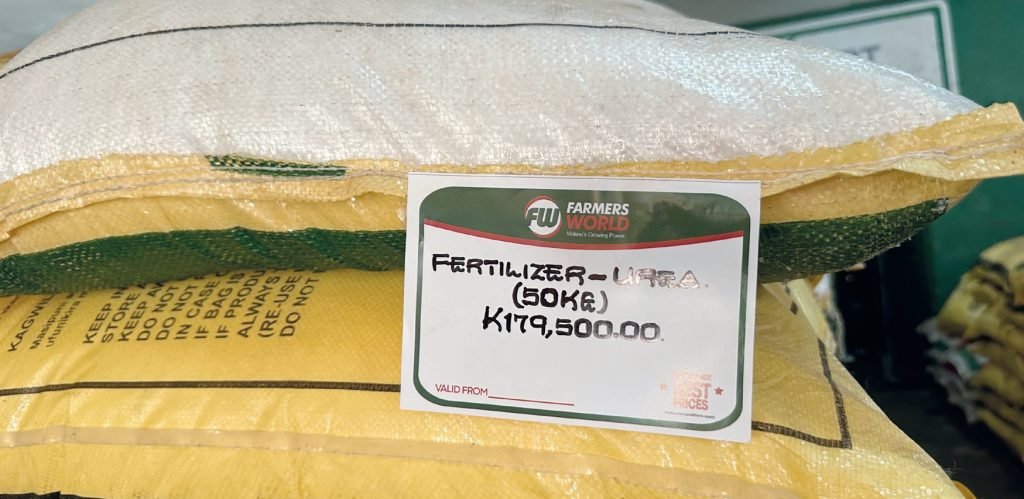
I hope the situation improves. Otherwise, fertiliser will remain out of reach.” A 50kg bag of Urea that sold for K150 000 in February now fetches K185 000. NPK, previously around K160 000, is also selling at K185 000.
Spot checks outside Lilongwe found prices reaching K200 000 in some areas. As tensions disrupt food, fuel and fertiliser flows through the Strait of Hormuz, a key artery for global exports and imports, Africa’s reliance on imported synthetic inputs is once again exposed. For many African countries, 20 to 50 percent of fertiliser supplies originate from Persian Gulf nations.
Beyond production, fossil fuels power tractors, irrigation pumps, and the trucks that move food from farms to markets. The route handles 35 percent of Malawi’s urea imports and 23 percent of phosphate fertilizers, including NPK, CAN and DAP. “If the war persists, there could be a shortage,” Makhambera said.
“Disruptions in the global supply chain are increasing pressure on the commodity, resulting in rising prices globally. We are monitoring the situation and our members will take prudent steps before entering the international market to procure fertilisers.” The Centre for Agricultural Research and Development (Card) at Lilongwe University of Agriculture and Natural Resources warns that global petroleum price spikes linked to a Middle East conflict could drive broad inflation in Malawi, with price increases jumping from 10 percent to 50 percent as the shock intensifies.
[/paywall]
All Zim News – Bringing you the latest news and updates.
