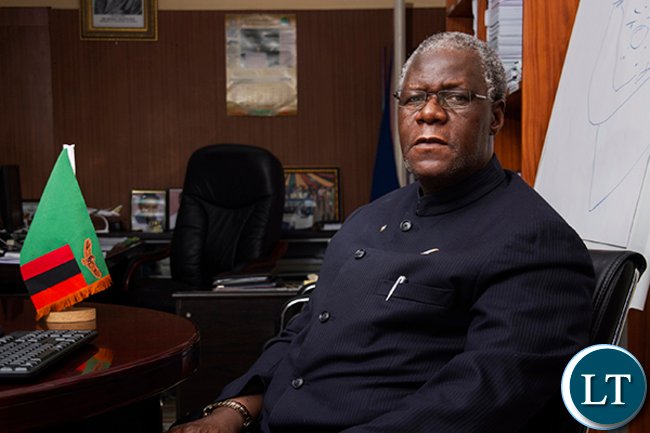
Members of Parliament have been urged to place the interests of citizens ahead of political party considerations when dealing with national matters, amid growing criticism of what has been described as excessive party-driven conduct in the National Assembly. Academic and politician Professor Naison Prof Ngoma said the current parliamentary system was failing to adequately serve citizens because it was being operated primarily on political party positions rather than on principled debate and independent judgment. Speaking in an interview with The Mast, Prof Ngoma said Zambia’s parliamentary system had become distorted, arguing that legislators were increasingly compelled to reflect party directives instead of openly advancing positions that represented the needs and interests of the electorate.
He said Parliament should not function as an extension of political party machinery, particularly when addressing issues that had a direct impact on citizens’ lives. Prof Ngoma said matters brought before the House ought to be guided by national interest rather than partisan advantage. Prof Ngoma expressed concern over what he described as a lack of discipline among MPs when handling critical national issues.
He said the conduct of some legislators suggested a prioritisation of political survival and party loyalty over accountability to voters. He acknowledged that proposals aimed at increasing representation of youths, women and persons with disabilities in Parliament carried potential benefits. However, Prof Ngoma said such reforms should have been implemented in a manner consistent with the judgement of the Constitutional Court.
Read Full Article on Lusaka Times
[paywall]
According to Prof Ngoma, the manner in which some constitutional matters had been handled raised questions about the motivations and discipline of MPs, particularly within the opposition. He said reports suggesting that some legislators may have been influenced by personal considerations rather than constituency interests were troubling. He said MPs had an obligation to exhaust internal party processes before taking positions that contradicted party resolutions.
Prof Ngoma said legislators who disagreed with party positions should have demonstrated principled engagement within their political organisations before adopting alternative stances in Parliament. Prof Ngoma contrasted the conduct of opposition MPs with what he described as greater discipline among Members of Parliament from the ruling United Party for National Development. He said MPs were expected to demonstrate consistency and integrity when representing both their parties and constituents.
He further stated that the conduct of MPs during the passage of contentious legislation had eroded public confidence in Parliament as an institution. Prof Ngoma said citizens expected legislators to act as representatives of the people rather than as agents of political parties. Looking ahead to the 2026 general elections, Prof Ngoma said voters should critically assess the performance and conduct of sitting MPs.
He argued that legislators who had failed to uphold national interest and ethical standards should not be returned to Parliament. Prof Ngoma said restoring credibility to Parliament would require a renewed commitment to discipline, transparency and principled leadership. He said MPs must demonstrate that their primary responsibility was to serve citizens and protect national interests rather than advance partisan objectives.
[/paywall]
