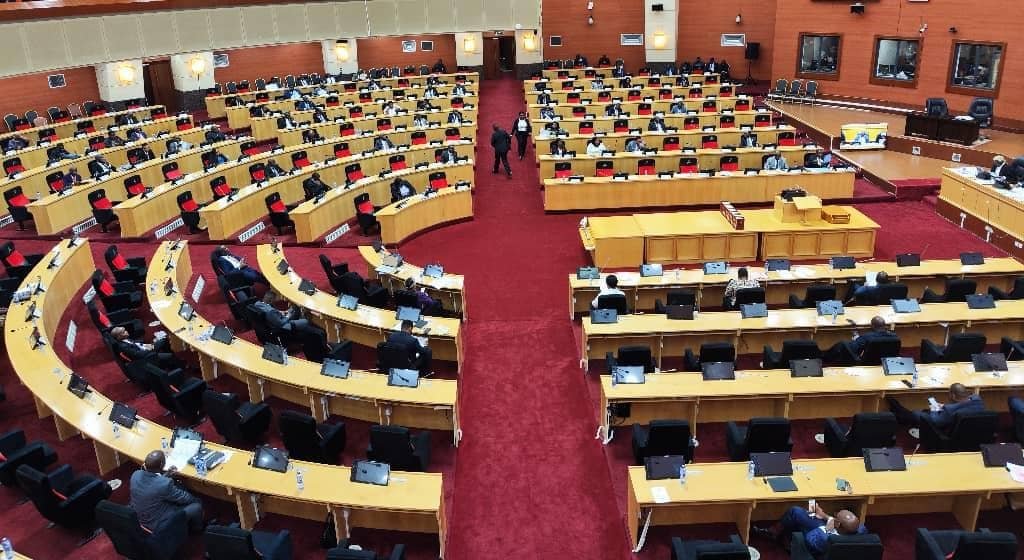
The Parliament of Malawi has seen many things including heated arguments and walkouts dramatic enough for theatre. However, few moments have stirred curiosity like the recent discovery ofa chithumwa, a perceived lucky charm, quietly sitting on the floor of the house where lawmakers bang heads and shape the future of the country. Malawians at home, on the move and hooked to online chat groups asked: “As we march toward MW2063, are we guided by spreadsheets or spirits?” The pillow-like charm told a disconcerting story of the people entrusted with the national vision to transform Malawi into an inclusive, self-reliant, industrialised upper middle-income economy by 2063—the centenary of self-rule.
The scandal announced by Speaker of Parliament Sameer Suleman landed between comedy and concern. Beneath the uproarious laughter sat a reflection on how a nation trying to industrialise negotiates deeply rooted beliefs about power, protection and success. Malawi 2063, the country’s long-term national development blueprint, hinges on well-documented pillars: Increased productivity, innovation and mindset change.
It envisions smart cities replacing informal settlements, commercial farms feeding industries and young entrepreneurs driving economic growth powered by technology, planning and confidence in institutions. A charm in Parliament thus feels symbolic because Parliament represents rational order, where national problems are solved through debate, data and evidence. Outside the chamber, reactions were mixed but lively.
[paywall]
“At first I laughed. Then I thought maybe our leaders are also scared. Politics is tough,” said Break Kachala, who sells secondhand clothes in Blantyre.
National Advocacy Platform chairperson Benedicto Kondowe believes the symbolism is serious and concerning as “it sends a powerful, unsettling message about misplaced priorities”. “Parliament represents the Constitution, debate and evidence-based decision-making. The presence of a charm suggests fear and superstition influence leadership.
That perception can erode public confidence,” he says. Political analyst Dr George Chaima is sharper: “Those who mix politics with superstition show fear and weakness. They lack confidence and believe in little gods to succeed. They have little to contribute and are not fit to be lawmakers.”
[/paywall]
All Zim News – Bringing you the latest news and updates.
