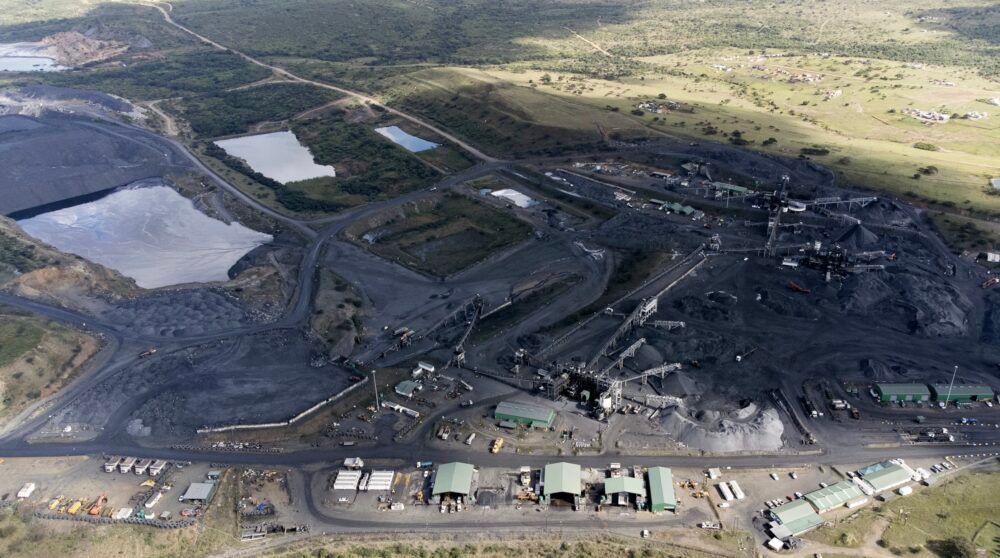
South Africa is positioning itself as a continental leader incritical minerals, a sector seen as central to electric vehicles, renewable energy systems and artificial intelligence infrastructure. But as the government and industry accelerate plans to expand exploration and mining, warnings are mounting that the benefits of the boom might once again bypass the communities living closest to extraction. The concerns are surfacing in response to the department of mineral and petroleum resources’critical minerals and metals strategy,approved by cabinetin May last year, which is designed to anchor the country as a key supplier in global value chains.
The strategy identifies 21 minerals and metals as critical, based on their importance to the economy and the global energy transition. It classifies platinum, manganese, iron ore, coal and chrome ore as high critical minerals. It further identifies mineral commodities such as gold, vanadium, palladium, rhodium and rare earth elements as minerals with moderate to high criticality.
Copper, cobalt, lithium, graphite, nickel, titanium, phosphate, fluorspar, zirconium, uranium and aluminium are identified as minerals with moderate criticality. The strategy prioritises exploration, beneficiation and investment attraction. It also proposes special economic zones, tax incentives and infrastructure investment to support local processing and job creation, aiming to link national growth with local development.
Read Full Article on Mail & Guardian
[paywall]
But theCentre for Environmental Rightswarns that many mining-affected communities fear displacement and injustice as projects often proceed without free, prior and informed consent. “This has led to forced relocations, land disputes and inadequate compensation,” it said, noting economic exclusion as another major concern. “The familiar ‘resource curse’ pattern — exporting raw minerals without local processing — limits job creation and deepens inequality, allowing elites to benefit while local labour is exploited.” At a recent webinar on the legal framework governing critical minerals in South Africa, the centre’s mining programme head,Tarisai Mugunyani, cautioned that communities remained marginal to decision-making.
“We have positioned critical mining as this unique introduction that is being put into our economic development but critical mineral mining is mining in essence,” she said. “We sit with an implementation crisis of our social and labour plans in the country. How will then these promised benefits be tangible for communities? “We believe that as we speak around mining, mining benefits and how mining is centred as the bedrock of South Africa’s economy, we will do a disservice to any conversation if we do not put mining-affected communities at the centre,” she said.
[/paywall]
All Zim News – Bringing you the latest news and updates.
