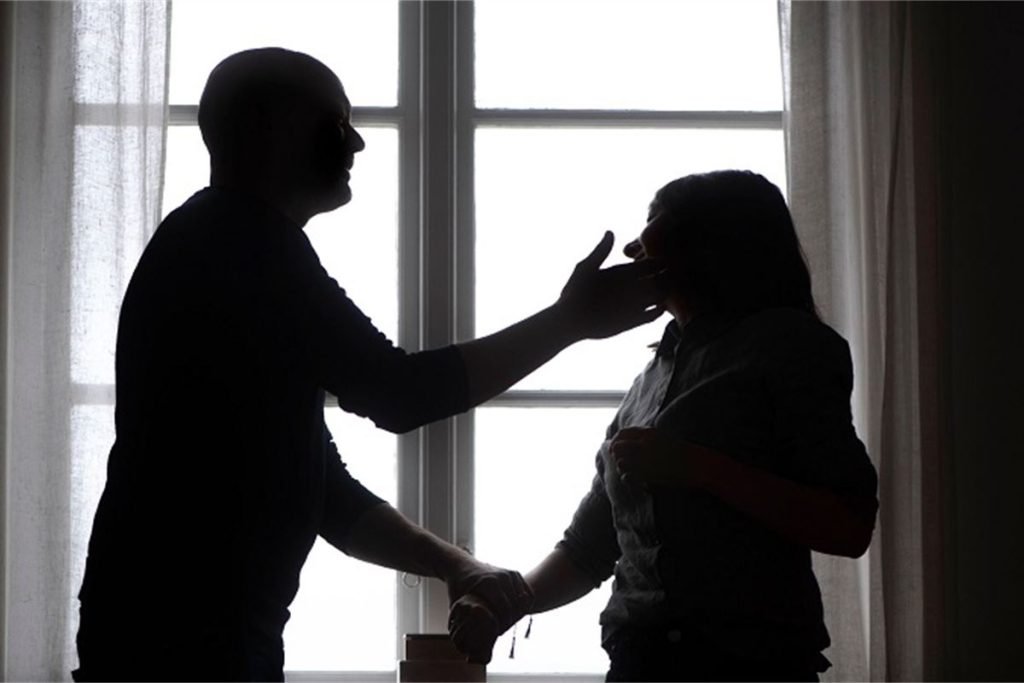
Malawi Human Rights Resource Centre (MHRRC) executive director Emma Kaliya has challenged journalists to go beyond news coverage in the battle against gender-based violence (GBV) if the vice is to end in the country. Speaking on Friday in Mponela, Dowa District during a meeting with journalists, she urged the media to be participants and engagement partners if the fight against GBV is to be won. Said Kaliya: “It is imperative that journalists should be able to do a thorough homework on topical matters to come up with in-depth analysis, research and comprehensive data.
“With this type of approach, we can end GBV; hence, this engagement provides an opportunity to share insights, discuss progress and address challenges encountered during implementation.” Kaliya said that journalists need to conduct analysis-based on investigation and research to produce stories that are factual, informative and capable of bringing change. In his remarks, Ministry of Gender, Children, Disability and Social Welfare principal gender and development officer Japhet Chirwa said the ministry is reviewing the National Action Plan, which expired in 2021 to combat GBV. “It has taken us time due to financial limitations and we have been using the 2015/21 National Action Plan.
However, we have done national consultations and we will be doing validation so that by June this year we will have been done,” he said Chirwa called on non-State actors to engage an extra gear in the fight against GBV to ensure that violence is eradicated and that people report more on GBV cases, which are sometimes fuelled by cultural practices. Karonga district information officer George Mponda said engaging the media is important in strengthening the fight against GBV, which enhances journalists’ understanding of ethical, accurate and survivor-centred reporting. The meeting, which was supported by Norwegian Church Aid and DanChurchAid, brought together media practitioners and organisations such as Evangelical Association of Malawi and Malawi Economic Justice Network.
