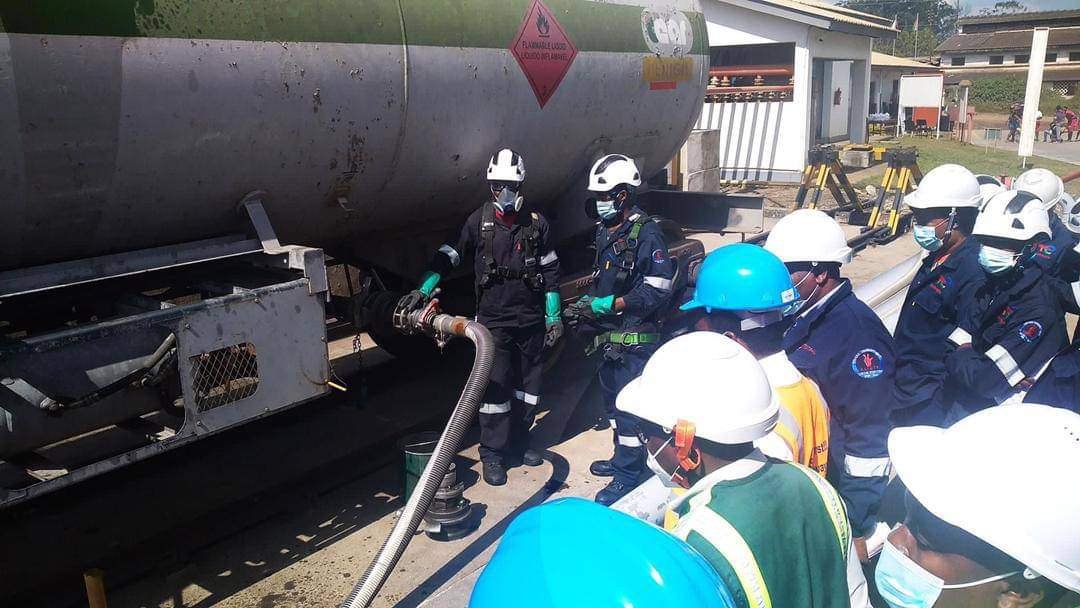
The Malawi Energy Regulatory Authority (MERA) has assured Malawians that fuel supplies remain stable despite escalating conflict in the Middle East that has unsettled global energy markets. Communications and Corporate Affairs Manager Fitina Khonje said fuel importers have confirmed that there are adequate volumes at the ports of Beira, Dar es Salaam and Nacala to sustain Malawi’s needs for the foreseeable future. “Fuel importers have assured us that, at present, there are adequate volumes at the ports of Beira, Dar es Salaam and Nacala to supply Malawi for the foreseeable future.
We hope the war does not escalate further and that normality is restored,” Khonje said. However, she admitted that the ongoing military confrontation involving the United States, Israel and Iran remains a concern, particularly following disruptions to energy infrastructure and strategic shipping routes such as the Strait of Hormuz — a critical artery for global oil supplies. Fuel supplier Puma Energy said the conflict is fuelling market volatility and pushing up freight and insurance costs, even though physical fuel supply across Africa remains stable for now.
In a statement, the company indicated that while international energy markets are sufficiently supplied, rising shipping charges, insurance premiums and logistical adjustments are already influencing local price movements. “For African countries like Malawi, the main impact will likely be on pricing rather than immediate supply interruptions. Coordinated engagement with suppliers and marketers is essential to ensure continuity and energy security.
Read Full Article on Nyasa Times
[paywall]
There is no indication at this stage of disruption to local availability and we remain focused on delivering stable service to our customers,” the statement reads. Economic experts warn that even without immediate shortages, higher transportation and logistics costs could ripple through the economy, driving up food and commodity prices and squeezing already strained household budgets. President of the Economics Association of Malawi (Ecama), Bertha Bangara Chikadza, said Malawi’s import-dependent economy is particularly exposed to global fuel shocks.
“Rising fuel prices could put pressure on government finances, raise operational costs for businesses and burden ordinary Malawians through higher transport and food expenses,” Chikadza said. She cautioned that while physical supply appears secure for now, long-term strategies are essential to shield the country from recurring global energy shocks. These include building strategic fuel reserves, diversifying supply sources and investing in domestic energy infrastructure.
“This rise in fuel prices can heighten poverty risks, especially among vulnerable groups and may also undermine efforts to reduce inflation to the annual target of 15 percent,” she said. Chikadza further emphasised the need to prioritise foreign exchange allocation for essential fuel imports and fully implement government-to-government supply arrangements to ease payment pressures. She also suggested broadening Malawi’s supplier base to include West African and Asian refineries to provide alternatives during geopolitical disruptions.
Meanwhile, the Ministry of Foreign Affairs says it has not received any requests for assistance from Malawians living in Israel, Iran or other affected countries. Spokesperson Charles Nkhalamba said the government continues to monitor the situation closely but has no confirmed data on how many Malawians are currently residing in the conflict zones. A Malawian working in Israel, David Chidzanja Nkhoma, said residents have been trained on security procedures during emergencies.
“Sometimes we hear sirens, but we have been told what we are supposed to do in such situations. I have not heard of any Malawian who has been affected,” he said, though he noted that some institutions have closed, affecting hourly paid workers.
[/paywall]
All Zim News – Bringing you the latest news and updates.
