She woke up one morning and could not see a way forward. The 25‑year‑old from Lilongwe, who asked to remain anonymous, says years of pressure and a violent relationship pushed her to the brink. “I spent most of my salary on him.
I was the first‑born and expected to provide for my family. When I found out he was cheating, I felt worthless,” she recalls. After a suicide attempt last year, counselling helped her rebuild; she ended the relationship and began to put herself first.
Her story is far from unique. Across Malawi, clinicians and counsellors say they are seeing a surge in young people arriving at clinics with severe depression, substance‑use problems and suicidal behaviour. Young people now make up the majority of admissions at the country’s two main referral centres.
[paywall]
The crisis is concentrated among students and young adults. This is a group that should be building careers and families. Malawi University of Business and Applied Sciences (Mubas) student representative council president Francis Alex said many students at higher learning institutions struggle with mental health issues.
He attributed most of their challenges to financial difficulties and poor academic performance. Alex said student bodies have established counselling clinics to help with coping. “When schools are in session, we encourage students to seek counselling to address psychosocial issues.
The number of students seeking help is quite high,” he said. Zomba Mental Hospital director Raphael Piringu said the situation is alarming. He said they have 465 patients, out of which 325 are youths aged between 18 and 39, representing about 70 per cent of total admissions.
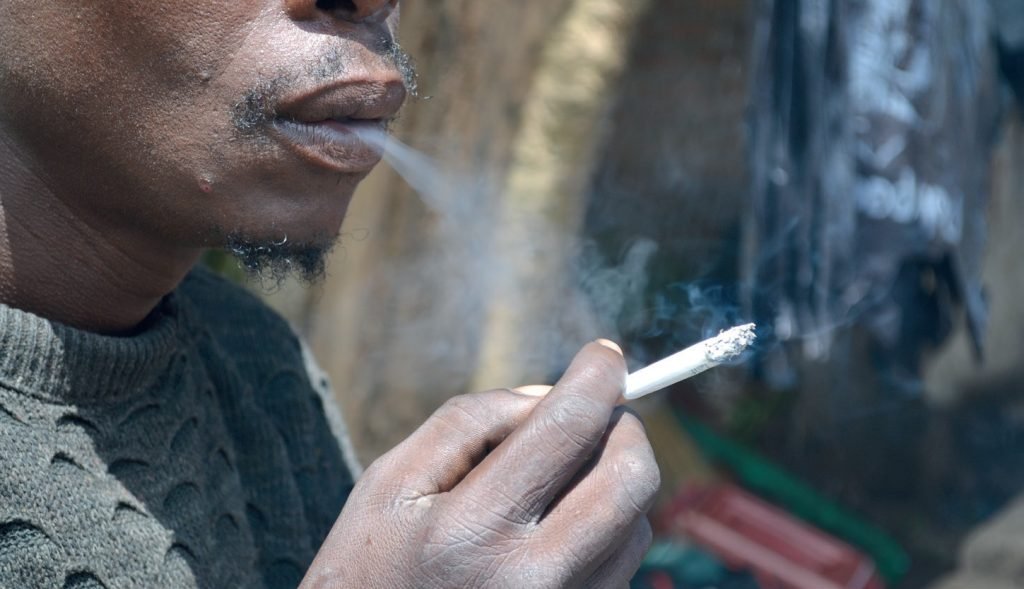
“Most are from secondary schools and universities. Others are depressed or overthink, resorting to drugs,” said Piringu St John of God Community Services chief executive officer Charles Masulani said more young people are resorting to alcohol or drugs when faced with challenges. He said out of 2 344 patients the facility engages, at least 1 800 are youths aged between 18 to 40 years or 76 per cent.
[/paywall]
