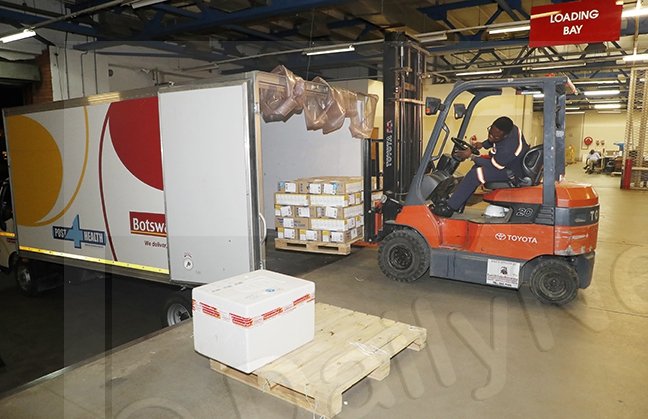
The public health sector is gradually recovering from severe medicine shortages that led to the declaration of a state of public health emergency in August 2025 by President Advocate Duma Gideon Boko. The Ministry of Health’s Public Relations Officer, Mr Mompoloki Lekoto, said sustained local and international procurement efforts have resulted in frequent deliveries, significantly improving medicine availability across public health facilities, although full stabilisation had not yet been achieved. Mr Lekoto said current, stocks covered a broad range of medicines required for both acute and chronic care.
“These include intravenous fluids, anti-diarrhoeal medicines, antibiotics, anaesthetic agents for surgical theatres, antihypertensives, anti-diabetic medicines, dialysis supplies for kidney disease, as well as cancer and blood disorder treatments and other biological products,” he said. He added that laboratory reagents, imaging supplies and diagnostic tests were also being prioritised to ensure comprehensive patient care. Mr Lekoto noted that while shortages affected most medicine categories in recent months, availability had improved significantly due to donations and emergency procurements.
“Cancer and blood disorder medicines have been secured through large orders expected to last more than 12 months,” he said, adding that suture supplies had also been restored following the delivery of six months’ stock. Mr Lekoto said the ministry continued to rely on targeted micro-procurement for products that remained unstable or required special ordering. Meanwhile, medicine distribution remains nationwide, with all districts and health facilities receiving deliveries twice a month.
Read Full Article on Daily News Botswana
[paywall]
He explained that the system allowed for regular replenishment, although special-order products may take longer to reach facilities. Mr Lekoto said Central Medical Stores continued to manage a wide range of therapeutic products that required constant monitoring and routine restocking to maintain optimal levels. In some cases, he said temporary rationing across districts was implemented while awaiting larger consignments, with procurement focused on life-saving and essential medicines.
He identified financial constraints as the primary driver of the recent shortages, which limited procurement quantities, adding that rising costs of medical products at local and regional levels further compounded the challenge. Mr Lekoto assured patients that continued improvement in medicine availability was expected over the next one to two months as additional consignments arrived.
[/paywall]
