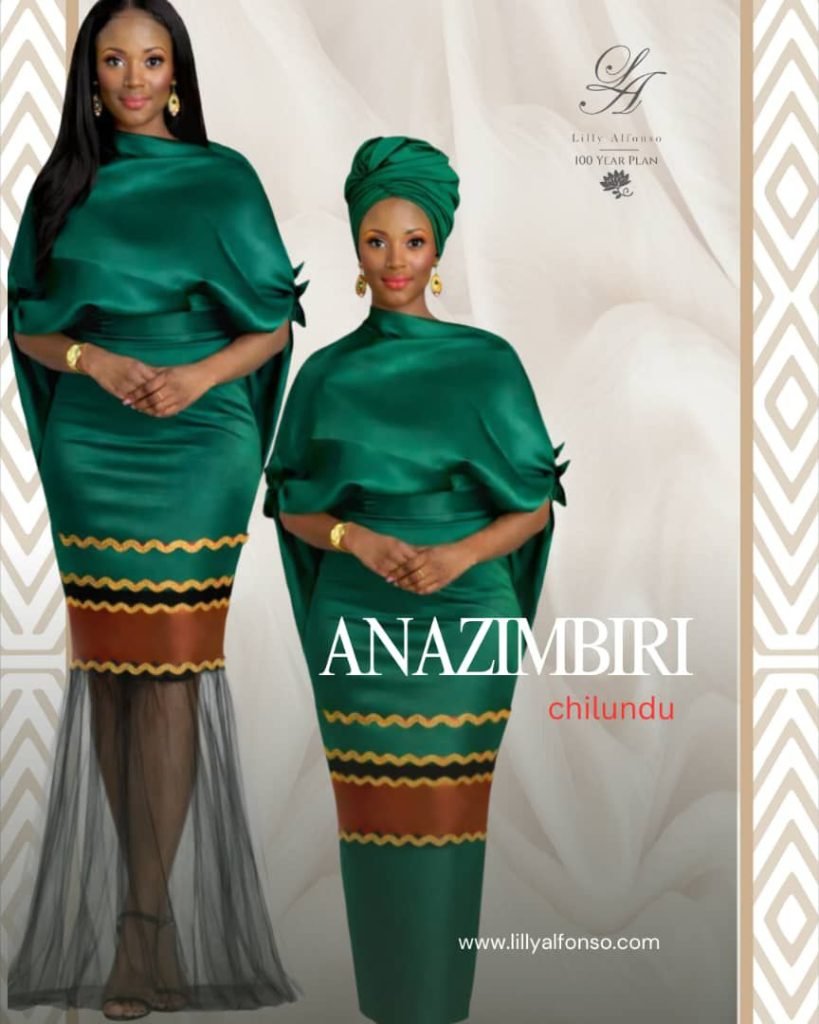
Fashion designer Lilly Alfonso has encouraged designers to embrace fashion rooted in local identity. This follows her Malawi Fashion Identity debut which has influenced her Aphiri and Anazimbiri new fashion designs inspired by Malawian culture and stories. In an interview, Alfonso said for years local designers have relied on styles and influences borrowed from other countries, particularly Nigeria and Uganda, which she believes has limited the development of a distinct Malawian fashion identity.
She said: “For the longest time, designers have depended on designs from elsewhere such as Ankara and other styles, but those do not reflect who we are as Malawians. We need fashion designs that tell Malawian stories, names and culture.” Alfonso said the absence of clearly defined Malawian styles has created a gap in the industry, which she says is worth addressing by encouraging designers to draw inspiration from local history, culture and names. “The whole concept of Anazimbiri and Aphiri is to inspire local designers to start thinking about creating fashion designs that tell who we are.
There are no Malawian styles and this is about inspiring designers to start embracing what is really theirs,” she said. Alfonso said her recent collections reflect this new direction. Among the pieces is Anazimbiri, a top inspired by Malawian heritage and Anazi, a dress influenced by Gulewamkulu’s makanja.
[paywall]
She has also introduced Aphiri, named after a respected local clanname, which she says symbolises honour, ancestry and identity. Alfonso said platforms such as the Malawi Fashion Identity are about helping to push the conversation forward by encouraging designers to define what Malawian fashion represents. The event featured 10 local designers who showcased various designs inspired by Malawian culture.
Fashion designer, Joshua Munkhondya, said it was crucial that designers strive to have a fashion identity that reflects the country’s culture. Among others, he said culture is one of the things designers can cherish and incorporate into their works. “Our culture is a form of strength. When we use it in fashion, it gives our work identity and meaning,” said Munkhondiya.
[/paywall]
