In this edition we focus our attention on the fact that, as South Africans, we are not immune to the closure of the Strait of Hormuz. Whatever happens in that part of the world, however remote, affects us directly. Ask the motorist who has been confronted by the fuel price adjustments or the Putco bus commuter who finds that their trip home from Gandhi Square in Johannesburg now costs 10% more.
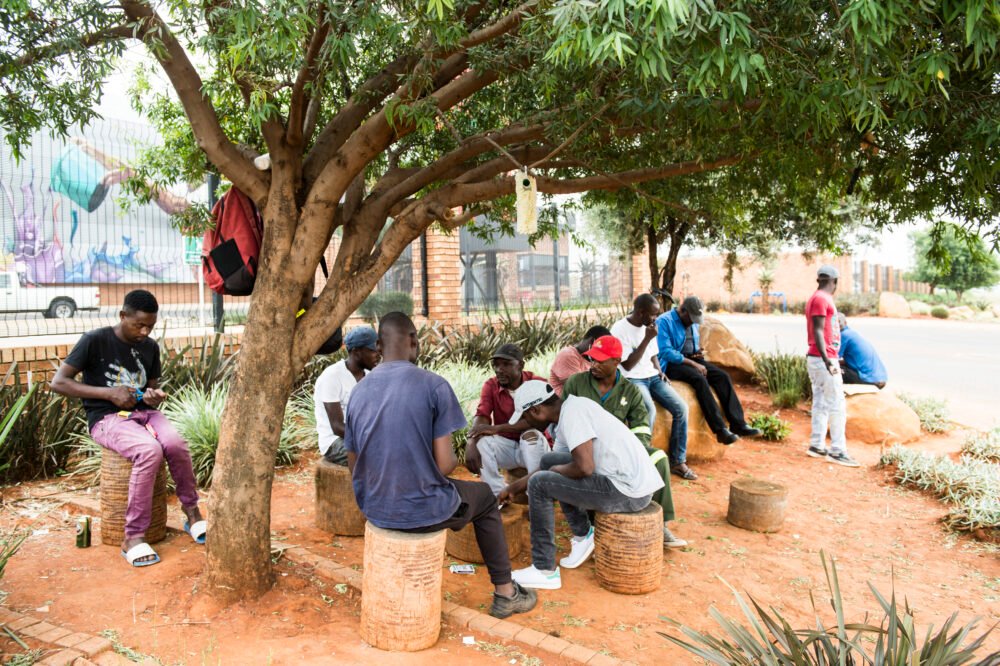
Life is hard even for salaried people, who are not getting any increases in their pay packets. Unless one is imbued with the wisdom of an economist, it is almost pointless to talk about the plight of the unemployed. What can you really do with a R370 monthly grant?
What sort of grocery basket can you take home with the money? Many of our homes are run by grandmothers whose only source of income is their monthly pension grant. Generations of grandchildren and other dependents rely on this money to ease their lives.
Read Full Article on Mail & Guardian
[paywall]
Those who fare better —if that is even the correct framing of their hardship — receive child grants. State funds meant for the child becomes the primary capital to keep food on the table. This is the pain our lead story this week is tackling.
As is the parlance of the streets, there is no more soft life. When companies like these close, it is not only the shareholders who are hit in the pocket. Entire families collapse; breadwinners lose their strength to provide, children drop out of school and the drug and prostitution industry gain new entrants.
A factory that closes is a human story of desolation and heartbreak. God forbid that one day soon, the single mothers who want a better life for their children will not be able to send them to school because they will not be able to afford the transport costs.
[/paywall]
All Zim News – Bringing you the latest news and updates.
