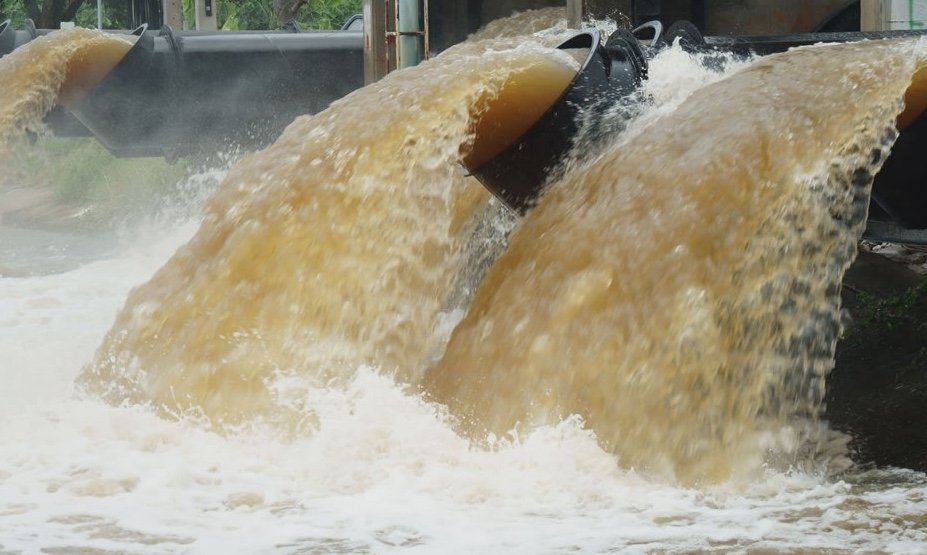
The Environmental Management Agency (EMA) has urged industries to adopt innovative technologies and cleaner production methods to reduce the toxicity of their effluent and safeguard the country’s water sources. Speaking at the Trade Effluent and Water Recycling Indaba held under the theme “Innovation for a Responsible Industry, Cleaner Environment and Water Security in Zimbabwe,” EMA representative Mcebisi Dube said industry must take responsibility for ensuring that waste discharged into sewer systems meets prescribed environmental standards. The indaba seeks to encourage industries to comply with regulations governing the management of waste discharged into water sources, amid growing concern over non-compliance.
“Industry or any operator who generates effluent must be innovative and ensure that the toxicity level is in the blue or green, or at least drive towards those classes to ensure a clean, safe and healthy environment for all Zimbabweans,” said Dube. EMA classifies effluent according to four colour-coded categories, blue (environmentally safe), green (low environmental hazard), yellow (medium hazard) and red (high environmental hazard). Dube said the agency will continue monitoring compliance and applying the classification system as an incentive for improved environmental efficiency.
He warned that discharging or allowing the discharge of harmful substances into aquatic environments in violation of water pollution control standards is prohibited. “Offenders face fines of up to level 14 or imprisonment for up to five years, or both. In addition, violators may be ordered by the courts to pay for clean-up and restoration costs incurred by government agencies and compensate affected third parties,” Dube said.
[paywall]
Under Section 59 of the environmental regulations, effluent from trade or industrial operations must be discharged only into an existing sewerage system and only after obtaining a licence from the local authority. “Before a licence is issued, operators are required to install proper effluent treatment facilities. No discharge of pollutants into the environment is permitted without an effluent discharge licence from the board,” Dube said.
The Bulawayo City Council (BCC) said infrastructure challenges are complicating efforts to manage industrial effluent. BCC engineer Kwanele Sibanda said much of the city’s sewer system is more than 40 to 50 years old, with corroded and collapsed pipework affecting performance. Water shedding, currently averaging 130 hours per week, is disrupting sewer self-cleansing systems, increasing the risk of blockages and overflows.
[/paywall]
All Zim News – Bringing you the latest news and updates.
