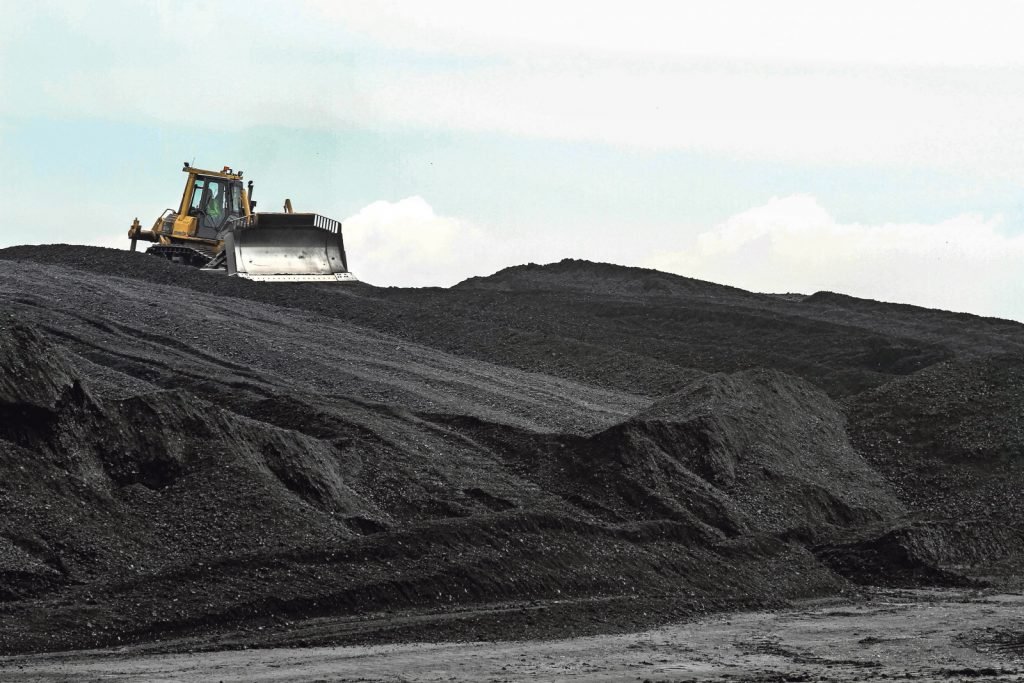
TheUS-Israel war on Iran, which has sent shockwaves through global energy markets, is creating new opportunities for South Africa’s coal exporters as countries grapple with volatile oil prices, shipping disruptions and energy security concerns. But whilecoal producersstand to benefit from stronger prices and export demand, researchers warn that increased coal production and exports carry significant environmental and social costs, from greenhouse gas emissions to the impacts borne by communities living near mines and coal-fired power stations. The benefits of coal expansion are not evenly distributed.
Communities living near coal mines and coal-fired power stations continue to bear many of theenvironmental and health costs associated with extraction and combustion. Political economist and University of Johannesburg academic professorPatrick Bondargues that the damage extends far beyond local pollution. “Combustion of coal is the main cause of the climate crisis,” he says, “and mines cause deadly local pollution and destruction of land, air and water.” He adds that the climate costs of coal exports are staggering and rarely accounted for economically.
“At a social cost of carbon of $1 200 (about R19 554) per tonne, a typical large shipload causes climate damage of $530 million (about R8.7 billion).” The climate, environmental and social impacts of coal mining and burning are “severe”, gender and climate change researcherDr Thembi Luckett, says. This is particularly for communities that live close to coal mines and power stations. “These communities are black, working-class communities living under the shadow of power stations and whose suffering is rendered permissible in the name of ‘economic growth’.” The war triggered sharp increases in fuel and shipping costs globally.
Read Full Article on Mail & Guardian
[paywall]
Crude oil prices briefly climbed to $126 per barrel in April before easing below $100 after ceasefire discussions emerged and later settling at above $100. For many climate analysts, the crisis appeared to strengthen the case for renewable energy. United Nations climate chief Simon Stiell argues that the war has “supercharged” global shifts toward renewable energy as countries searched for alternatives to the volatility of fossil fuel markets. However, while some analysts expected higher oil prices to accelerate the shift to renewable energy, coal markets have also benefited from the uncertainty, with stronger demand and higher prices in several regions.
[/paywall]
All Zim News – Bringing you the latest news and updates.
