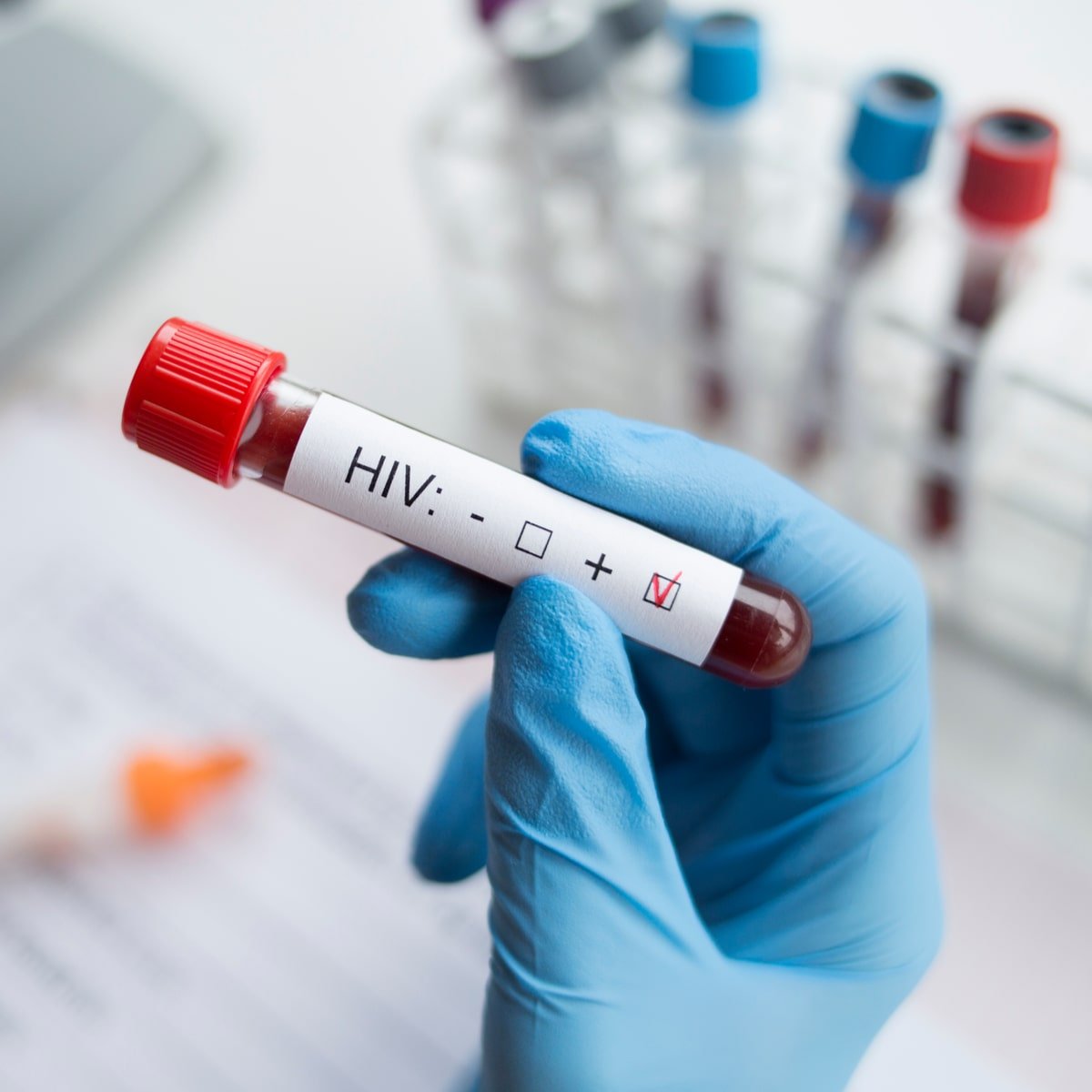
Bulawayo’s 2025 HIV Estimates Report has flagged persistently high infection rates among key populations, raising concerns over funding and programming gaps that threaten progress in fighting the epidemic. The data shows female sex workers and transgender women aged 20 to 24 bear the highest incidence rates, followed by men who have sex with men (MSM) and male sex workers in the 25 to 34 age group. “Looking at incidence by risk behaviours, you find that rates are high among female key populations.
When we are talking of female key populations, we are looking at our trans (transwomen) and sex workers. This is particularly evident in the 20 to 24 age group. Similarly, incidence is also high among male key populations, especially men who sex with men and male sex workers aged 25 to 34,” explained National AIDS Council (NAC) Bulawayo Monitoring and Evaluation Officer, Primrose Dube, during a recent workshop with journalists.
The findings expose both the health risks and invisibility of these communities, whose ‘hidden lives’ turn into ‘hidden risks,’ leaving some shocked at the very existence of men who have sex with men and male sex workers in Bulawayo. Dube stressed that Bulawayo does indeed have male sex workers, something many continue to deny or dismiss. “We have partners that are programming for key populations.
[paywall]
We have the Sexual Rights Centre who are programming for men who have sex with men and are also programming for male sex workers,” she said. “We also have the Centre for Sexual Health and HIV/AIDS Research (CESSHar) programming for female sex workers as well as male sex workers and trans (people). We have Trans Research Education Advocacy and Training (TREAT) programming for trans people and they are working again with all key populations, so we do actually have male sex workers in Bulawayo.” In an interview with CITE, SRC Director Mojalifa Mokoele Ndlovu said from a programming perspective the organisation is more concerned about the level of risk associated with these groups rather than quantifying how significant the population is in Bulawayo.
“Men who have sex with men are disproportionately affected, probably 20 to 22 times more likely to contract HIV in their lifetime than heterosexual men. Sex workers are even more at risk, about 35 times more likely than women who have one partner. Transgender individuals also face high risks due to violence and discrimination,” he said.
“It’s those issues for us that make us worry when it comes to HIV prevention, that make us want to programme more, that make us want to engage NAC almost all the time to say, remember these populations and the risks that are associated with them.” Ndlovu said it was crucial to integrate key populations into mainstream health services, avoid discrimination and reduce incidence risk.“We really need to change the mindset of our service providers in public sector facilities. Sensitise and train our health care workers in public sector clinics and public sector hospitals so that they can offer non-discriminatory services, be welcoming, be friendly and have less attitude. So that these populations can be free, feel welcome and not afraid to go to public sector facilities,” he said. “There is nothing that is more sustainable than going to a clinic that is just near where you stay.”
[/paywall]
